
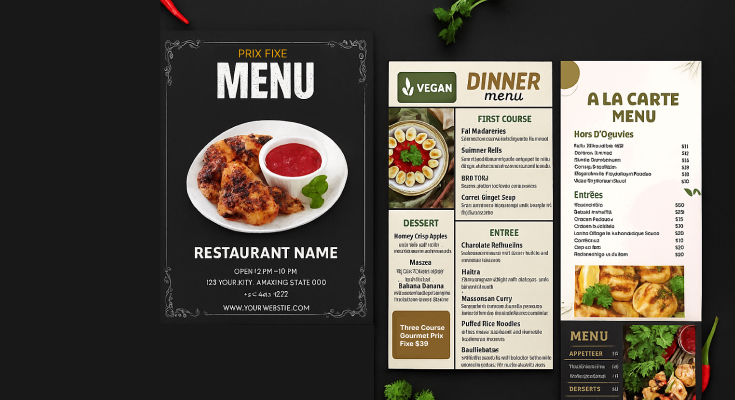
Understanding the difference between a la carte vs prix fixe menu can be confusing for diners, but both options can transform your dining experience completely.
Moreover, making the right menu choice can save you money while ensuring you get exactly what you want. Whether you’re planning a romantic dinner, business lunch, or family celebration, this comprehensive guide will help you get rid of confusion and determine when each option works best, with examples.
What Does A La Carte Mean?
A la carte, pronounced “ah-lah-CART,” literally means “from the menu” in French. Essentially, this dining style allows you to order individual dishes separately, with each item having its specific price.
When you choose a la carte dining, you build your meal piece by piece. For instance, you might select an appetizer for $12, a main course for $28, and a dessert for $10. Consequently, your total bill reflects the sum of all individual items you’ve ordered.
Menus like drink menus for a restaurant, where each drink is priced individually, a burger menu in the food category, and other food menus belong to a la carte style.
How Does A La Carte Menu Ordering Work?
The a la carte menu system gives you complete control over your dining experience. Additionally, you can customize your meal according to your preferences, dietary restrictions, and appetite level.
Here’s what makes a la carte unique:
1. Individual Pricing for Each Item
In an a la carte menu, each dish is listed and priced separately. For example, a steak, a side of mashed potatoes, and a salad would each have their own cost. Customers can mix and match items based on their preferences and budget.
Benefit: It gives diners the ability to control exactly what they want and how much they want to spend.
2. Freedom to Customize Meals
Unlike set menus that come with pre-selected courses, a la carte allows full customization. A guest may skip appetizers and order just a dessert and main course, or even multiple mains if desired.
Use Case: Ideal for customers with dietary restrictions or those who want to share multiple dishes with a group.
3. Longer Ordering Process
Since guests are choosing items individually, the ordering process may take a bit longer. Waitstaff usually take more time explaining dishes and answering questions.
Tip: Many restaurants offer recommendations or mark popular items to help streamline choices.
4. Higher-Quality, Chef-Driven Dishes
A la carte menus often focus on quality and presentation. Chefs put special attention into each dish, making them stand out as signature items.
Result: It elevates the dining experience and is common in fine-dining and upscale restaurants.
5. Pricing Transparency
Because each dish is priced on its own, customers have a clear view of their potential bill. However, the total cost can add up quickly depending on how many items are ordered.
Consideration: Diners should review prices carefully to stay within budget.
What is Prix Fixe?
Prix fixe, pronounced “PREE-feeks,” means “fixed price” in French. Specifically, this dining format offers a complete meal with multiple courses for one set price.
Unlike a la carte menus, prix fixe presents a curated dining experience. Instead of choosing individual items, you select from predetermined course combinations at a single price point. Moreover, a casual wedding menu and catering menu are examples of a prix fixe menu style.
Why Do Restaurants Offer Prix Fixe Menus?
Restaurants use prix fixe menus for several strategic reasons. First, they can showcase their chef’s creativity through carefully planned course progressions. Second, it helps manage kitchen operations more efficiently.
Additionally, prix fixe menus often feature:
1. Streamlined Kitchen Operations
When a prix fixe menu is offered, chefs know exactly which dishes will be prepared and in what quantity. This helps streamline food preparation, reduce waste, and maintain consistency.
Example: If a prix fixe menu includes three main course options, the kitchen can prep those ingredients in larger batches, ensuring faster service and fresher plates.
2. Predictable Food Costs and Inventory
Prix fixe menus allow restaurants to plan purchasing and inventory more accurately. Since the offerings are limited and predetermined, it’s easier to forecast how much of each ingredient is needed.
Result:
- Reduced food spoilage
- Tighter control over portion sizes
- Better profit margins
This predictability is especially useful during events, holidays, or busy weekends when managing high-volume service is crucial.
3. Showcase Culinary Creativity
Many chefs use prix fixe menus to highlight their culinary vision. By curating a multi-course meal, they can guide the guest through a balanced experience, from starter to dessert, using seasonal ingredients or themed dishes.
It allows chefs to craft a storytelling journey through food, introducing guests to new flavors and creative presentations they might not choose on an a la carte menu.
4. Increased Revenue Opportunities
While prix fixe menus often offer better value to the customer, they also boost restaurant profits. For instance, diners are likely to order more courses than they might from an a la carte menu.
Moreover, restaurants also get upselling opportunities by offering Wine pairings, premium upgrades, or add-ons (like cheese boards) that can easily be integrated.
5. Ideal for Events and Group Dining
For large parties or special occasions, prix fixe menus make service smoother. Everyone receives similar courses, reducing confusion and ensuring that meals are served together.
It minimizes special requests, making it easier for servers and chefs to maintain quality and speed.
Furthermore, many fine dining establishments use prix fixe to create memorable culinary journeys rather than simple meals.
What is the Difference between A La Carte vs Prix Fixe Menu?
Understanding the fundamental differences between these menu styles will help you make better dining choices. Also, you’ll enjoy more satisfying restaurant experiences while managing your budget effectively.
1. How does Ordering Work?
A La Carte Ordering Process:
You receive a menu with many individual dishes listed separately. Each appetizer, soup, salad, main course, side dish, and dessert has its own price. You browse through all the options and pick exactly what you want to eat.
For example, you might choose:
- Caesar salad ($8)
- Grilled salmon ($22)
- Roasted vegetables ($6)
- Chocolate cake ($7)
Your server writes down each item separately, and your bill shows each dish with its price.
Prix Fixe Ordering Process:
The restaurant presents you with a structured meal format. You typically see something like “Three-course dinner for $45” or “Five-course tasting menu for $85.”
The menu might look like this:
- First Course: Choose from soup or salad
- Second Course: Choose from chicken, fish, or pasta
- Third Course: Choose from three dessert options
You select one option from each course, but you pay the same fixed price no matter what you choose.
2. Pricing Structure Differences
A La Carte Pricing Reality:
- Appetizers: $8-$18 each
- Main courses: $22-$45 each
- Desserts: $8-$15 each
- Sides: $6-$12 each
- Total: Highly variable
Prix Fixe Pricing Structure:
- Complete meal: $35-$85 per person
- Multiple courses included
- Sometimes beverages included
- Predictable final cost
Generally, prix fixe menus offer better value when you plan to order multiple courses. However, a la carte works better for light eaters or those with specific cravings.
3. Menu Design and Layout
A La Carte Menu Design and Layout:
These menus organize dishes by category: appetizers, soups, salads, main courses, sides, and desserts. Each section lists multiple options with individual prices.
The menu might span several pages and include dozens of choices. Restaurants often highlight special dishes or chef recommendations within each category. If you’re running out of ideas for menu design, checking this guide may help you get more inspiration.
Prix Fixe Menu Design and Layout:
These menus show the meal structure clearly. You see “Course 1,” “Course 2,” and “Course 3” with limited options under each heading.
The presentation focuses on the flow of the meal rather than individual items. The menu explains what you get for the fixed price and how many courses you’ll receive.
4. Chef’s Involvement and Creativity
A La Carte Chef Decisions:
Chefs design individual dishes to stand alone. Each item must taste good by itself, regardless of what else you order with it.
The kitchen prepares each dish when you order it. Chefs focus on making every individual item perfect, but they don’t control how you combine different dishes.
Prix Fixe Chef Decisions:
Chefs plan the entire dining experience. They choose dishes that work well together and create a progression of flavors throughout the meal.
The chef decides the portion sizes for each course, ensuring you feel satisfied but not too full to enjoy the next dish. This gives chefs more creative control over your complete dining experience.
5. Flexibility and Customization
A La Carte Flexibility:
You enjoy maximum flexibility with a la carte ordering. You can:
- Skip courses you don’t want
- Order multiple appetizers instead of a main course
- Share dishes with your dining companions
- Modify individual dishes to suit your preferences
- Order items in any combination you prefer
Prix Fixe Flexibility:
Your flexibility stays within the predetermined structure. You can:
- Choose from the options provided in each course
- Sometimes substitute items for dietary restrictions
- Occasionally, skip a course (though you still pay the full price)
However, you cannot change the basic meal format or add extra courses without paying additional fees.
Understanding these differences helps you choose the menu style that best fits your dining goals, budget, and preferences. Both options offer unique advantages depending on what kind of meal experience you want to have.
What are the Pros and Cons of A La Carte and Prix Fixe Menus?
A La Carte Menus
| Pros | Cons |
|---|---|
| You decide exactly what to eat and how much to spend. Want just soup and bread? No problem. Craving three appetizers instead of a main course? You can do that too. | Large menus can feel overwhelming. Spending 20 minutes trying to choose between dozens of options can stress you out and slow down your dining experience. |
| You see the price of each dish upfront. This makes it easy to stay within your budget. Students can order just a main course, while others might splurge on multiple courses. | Individual prices might seem reasonable, but they can shock you when added together. That appetizer, main course, dessert, and drinks might cost more than you expected. |
| If you don’t like seafood or vegetables, you can easily avoid them. People with food allergies or special diets can pick dishes that work for them without feeling stuck. | Restaurants design their menus with certain combinations in mind. When you pick random dishes, you might miss out on how flavors work together. |
| When dining with friends or family, everyone can order what they actually want. Some people might want light meals while others prefer heavy dishes. Nobody has to compromise. | You might order too much food or not enough. Without guidance, it’s hard to know how filling each dish will be. |
| Since you choose each dish, you only order what you think you’ll eat. This reduces the chance of leaving food on your plate. | A la carte dining can be more time-consuming for both customers and restaurant staff. |
Prix Fixe Menus
| Pros | Cons |
|---|---|
| Prix fixe meals often cost less than buying the same dishes separately. You get multiple courses at a price that would normally buy you just one or two items. | You must eat what the restaurant offers. If you don’t like one of the courses, you might leave hungry or unsatisfied. |
| Restaurants create these menus to show off their best dishes. The chef plans how each course flows into the next, giving you a complete food experience. | The total price might seem expensive, even if it offers good value. This can put off budget-conscious diners. |
| You know the total cost upfront. No surprises when the bill comes, and no need to calculate individual items and taxes. | Even if you’re not hungry enough for multiple courses, you pay for the complete meal. This can lead to food waste or uncomfortable fullness. |
| The restaurant plans portion sizes so you feel satisfied but not overly full. Each course prepares you for the next one. | People with allergies or special diets might struggle to find suitable options. The limited choices make it harder to accommodate everyone’s needs. |
| You make fewer decisions, which means less time studying the menu and more time enjoying your company. | Some restaurants prepare prix fixe dishes in advance, which might mean less fresh food compared to made-to-order a la carte items. |
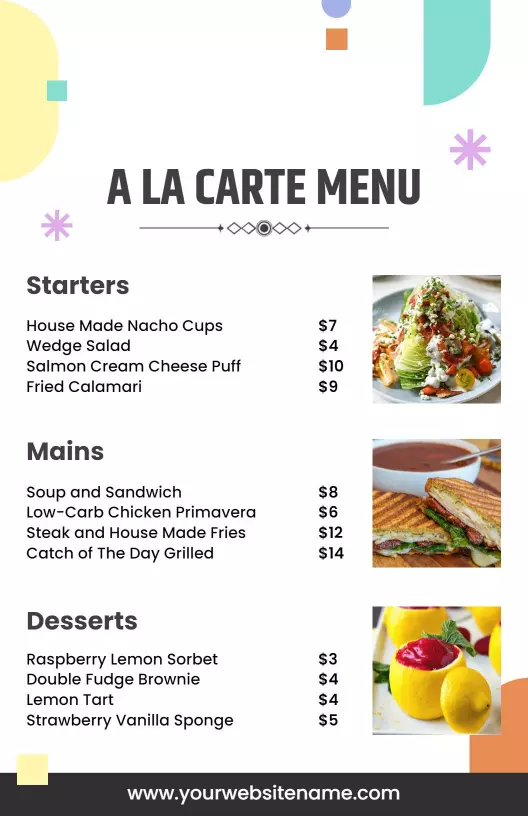
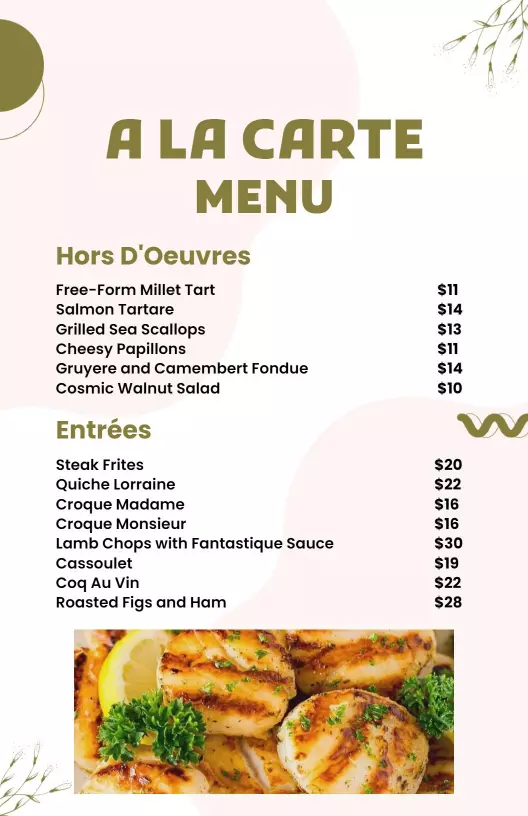
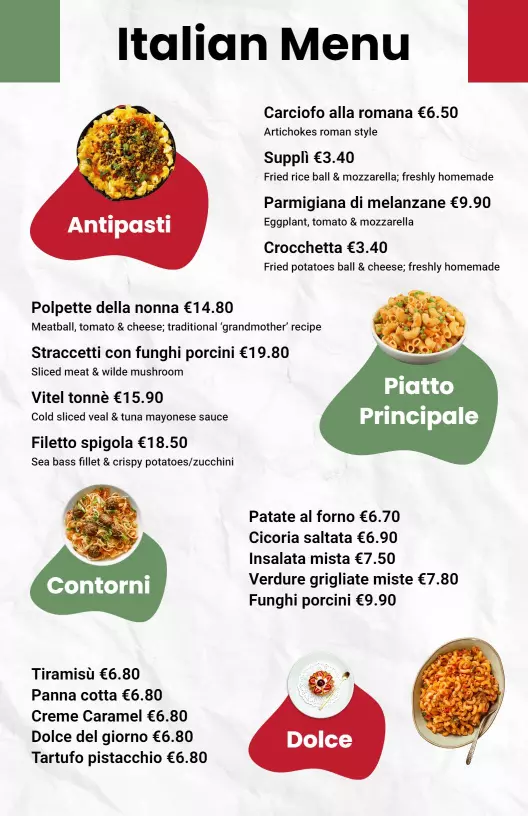
Are There Templates for an A La Carte Menu?
Yes, here are some different examples of menu templates for an a la carte menu that you can consider as an inspiration, and get design ideas.
What are Examples of Prix Fixe Menu Layouts?
Look at some examples of prix fixe menu layouts, and design your own.
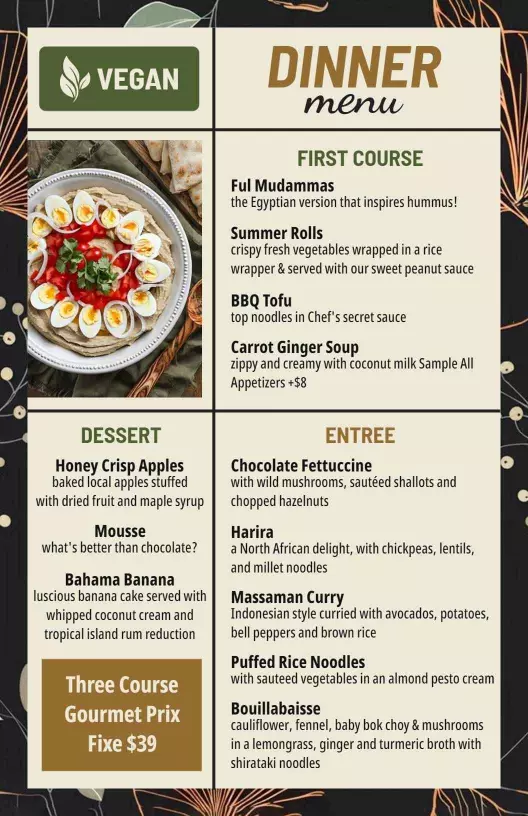
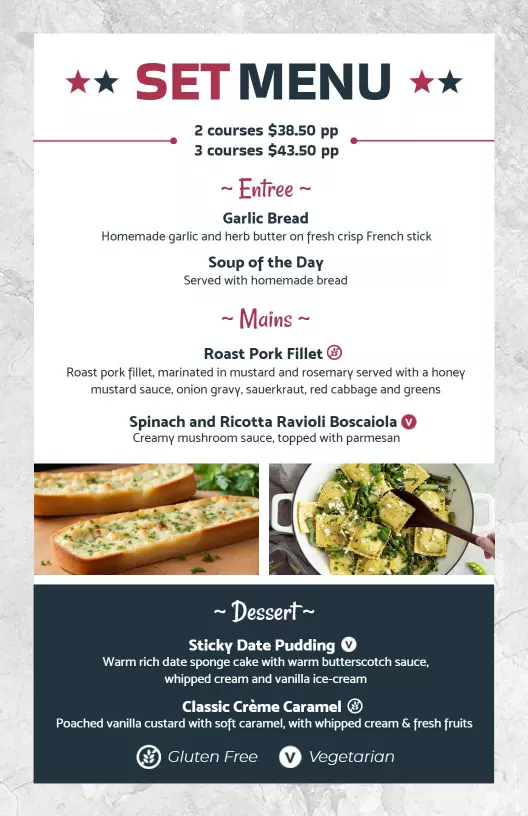
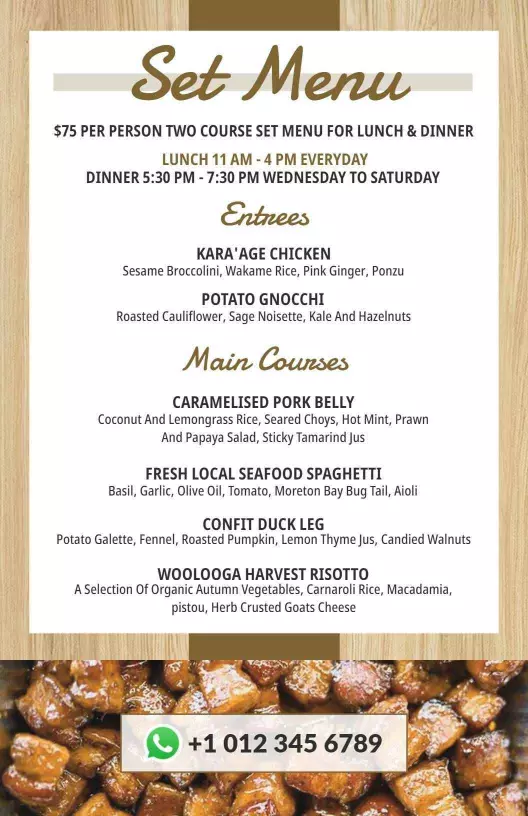
Tip: If you’re a restaurant owner and struggling to create menus for special events, offers, and more, you can choose an online menu creator that lets you create, customize, and save menus for food businesses.
Which Menu Style Offers Better Food Quality?
Food quality depends more on the restaurant than the menu format. However, each style does offer certain advantages.
A La Carte Quality Advantages
Individual ordering allows restaurants to focus on perfecting specific dishes. Moreover, high-turnover items tend to be fresher since they’re prepared frequently.
Additionally, a la carte often provides:
- Made-to-order preparations
- Customization options
- Fresher ingredients due to volume
- Chef specialization in popular dishes
Prix Fixe Quality Benefits
Prix fixe menus allow chefs to create cohesive dining experiences. Furthermore, limited options enable kitchens to maintain higher standards across fewer dishes.
Prix fixe quality advantages include:
- Carefully planned flavor progressions
- Premium ingredients in showcase dishes
- Better ingredient sourcing for a smaller menu
- Chef’s creativity and seasonal specialties
What are the Common Mistakes Diners Make When Choosing the Right Menu Style?
Avoiding these common errors will improve your restaurant experience significantly. Moreover, understanding these pitfalls helps you make better menu decisions.
A La Carte Mistakes:
- Over-ordering: Excitement about choices leads to ordering too much food
- Under-estimating costs: Individual prices add up quickly, exceeding expected totals.
- Ignoring combinations: Missing opportunities for dishes designed to complement each other.
- Skipping courses: Ordering only main courses and missing the complete experience.
Prix Fixe Mistakes:
- Choosing based on price alone: Selecting prix fixe just because it seems cheaper without considering if you want all the courses.
- Ignoring dietary restrictions: Assuming modifications are possible when options are limited.
- Wrong occasion selection: Choosing prix fixe for quick meals when time is limited.
- Not researching in advance: Arriving unprepared for the fixed menu options.
How Much Money Can You Actually Save?
The financial aspect often determines menu choice. Therefore, understanding the real cost differences helps you make informed decisions.
A La Carte Cost Analysis
Let’s examine a typical upscale restaurant scenario:
- Appetizer: $14
- Main course: $32
- Dessert: $12
- Total: $58
Prix Fixe Cost Comparison
The same restaurant’s prix fixe menu:
- Three-course meal: $45
- Savings: $13 (22% less)
However, savings depend entirely on what you actually want to eat. If you only wanted the main course, a la carte would cost $32 versus $45 for prix fixe.
Hidden Costs to Consider
Both menu styles may include additional costs:
A La Carte Hidden Costs:
- Sides are often sold separately
- Bread or rolls may cost extra
- Sauce upgrades add fees
Prix Fixe Additional Costs:
- Wine pairings cost extra
- Premium dish upgrades are available
- Service charges are sometimes higher
What is the Future of Restaurant Menu Formats?
The restaurant industry continues evolving, and menu formats are changing too. Understanding these trends helps you anticipate what to expect in future dining experiences.
Emerging Trends:
- Hybrid menus: Restaurants increasingly offer both options simultaneously.
- Seasonal prix fixe: Rotating fixed menus based on ingredient availability.
- Customizable prix fixe: Fixed pricing with some choice flexibility.
- Technology: Apps and QR code menus are making the ordering process easier.
- Dietary-specific options: Prix fixe menus designed for specific dietary requirements.
Furthermore, many restaurants now offer “choose your own adventure” pricing where you select the number of courses at different price points.
Frequently Asked Questions
1. What is the main difference between an a la carte and a prix fixe menu?
The main difference is how the food is offered and priced. In an a la carte menu, each item is listed and priced separately, and you choose exactly what you want. In a prix fixe menu, you pay one set price for a complete meal that includes multiple courses, like a starter, main dish, and dessert.
2. Which menu style gives more freedom to choose food?
The a la carte menu gives you more freedom. You can pick just one dish or mix and match items as you like. With a prix fixe menu, your choices are more limited, and you usually have to select from a few options within each course.
3. Is a prix fixe menu cheaper than ordering a la carte?
It can be! A prix fixe menu often gives better value if you’re planning to eat multiple courses. It includes everything at a set price. But if you only want a single dish or have a small appetite, a la carte may be cheaper.
4. Which menu style is better for large groups or events?
Prix fixe menus are better for large groups. They help the kitchen prepare faster and make it easier for everyone to be served at the same time. It also keeps the cost predictable for the group or the event organizer.
5. Does prix fixe mean I have to eat every course?
No, you don’t have to eat every course, but you’ll still pay the full price. If you don’t want all the courses, it’s better to choose from an a la carte menu where you only pay for what you eat.
6. How do I know which menu is right for me?
Think about your mood, your budget, and how hungry you are. If you want a simple meal with full control, go with a la carte. If you want a full dining experience with a set price, try the fixed menu.
Bottom Words
The choice between a la carte vs prix fixe menu ultimately depends on your personal preferences, situation, and dining goals. Neither option is inherently better—they serve different purposes and satisfy different needs.
The key is understanding that both menu formats have their place in creating memorable dining experiences. Therefore, choose the option based on the situation, your current needs, and enjoy the unique benefits each style offers.