
Are you searching for cool coffee shop menu templates? A well-crafted menu can guide customer choices, promote bestsellers, and reflect your café’s personality. Whether you’re running a cozy corner café or a modern espresso bar, your menu should be clear, visually appealing, and easy to navigate.
Here you’ll find the best templates and practices to make your coffee shop menu design more appealing, and advanced menu ideas that you can try.
What is a Coffee Shop Menu Template?
A coffee shop menu template is a list of drinks and food items that a café or coffee shop offers to its customers. It usually includes different types of coffee, like espresso, cappuccino, latte, and cold brew. Most menus also have tea, hot chocolate, and other beverages. With these customizable templates, you can easily create a menu in minutes and leave a lasting impression.
These coffee shop menu templates are easy to navigate, and also help customers easily see what’s available and how much each item costs. If you aren’t sure which menu template, form, printed, or digital menu works best for your cafe, we’ve covered a detailed guide on it.
What are the Best Coffee Shop Menu Ideas for 2025?
A customer’s dining experience starts with a great menu. If it isn’t convincing and appetizing, you’re leaving money on the table. You can try online menu maker tools available that can help you design an elegant menu for your coffee shop.
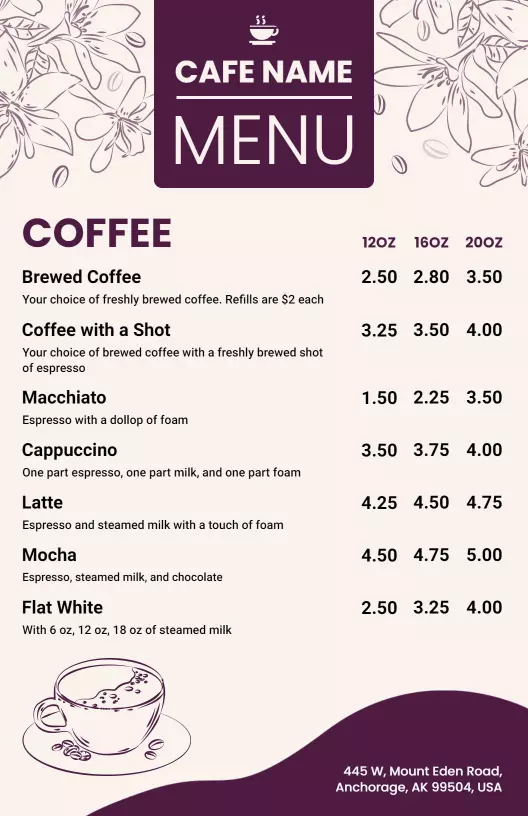
Modern Cafe Menu Design
Modern coffee shop menu focuses on simplicity, minimalism, and visual appeal. Clean and spacious layouts, bold typography, and strategic use of whitespace are common elements.
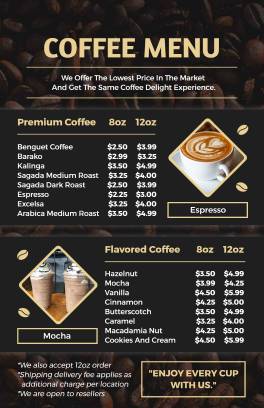
White and simple Coffee Menu
The simple and decent look of this coffee menu example makes it more engaging for customers and helps in fast decision-making. Try this menu idea if you’re offering many options at your cafe.
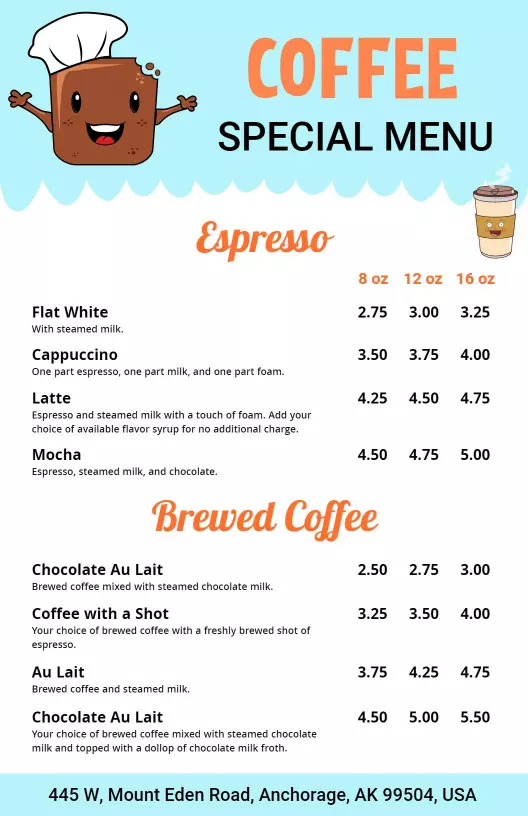
Playful Coffee Menu Style
Add a splash of fun to your café! Explore playful coffee menu styles with quirky names, bold colors, and creative layouts that turn every order into a delightful experience.
Coffee Shop Menu in QR Code Style
Go contactless and stylish! Try these modern coffee shop menus in QR code style—fast, clean, and easy to scan, which boosts orders and enhances customer experience.
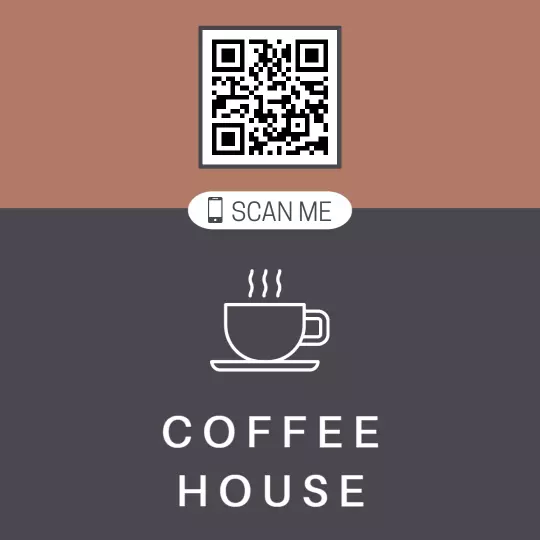
Whether you want modern, chic, or elegant menu design styles, here are the top trends to level up your coffee or cafe menu design ideas.
What Menu Psychology Tricks Do Top Coffee Shops Use to Increase Orders?
Successful coffee shops employ subtle psychological techniques that guide customers toward profitable choices without seeming manipulative. Moreover, these proven strategies work because they align with natural human decision-making patterns.
1. Clean Menu Layout and Patterns
The design of the menu plays a huge role in what people choose. Most people read menus in a Z-pattern—left to right, then diagonally down. Coffee shops often place high-profit or signature drinks in these key areas (top left, center, or bottom right) so they’re seen first. Highlighting these items with boxes or icons draws attention even faster.
2. Price Anchoring That Makes Everything Seem Reasonable
Price anchoring involves placing an expensive item first to make other options appear more affordable. For example, listing a $12 premium coffee blend before your $6 signature latte makes the latte seem like an excellent value. Consequently, customers feel satisfied with their “reasonable” choice while you maintain healthy profit margins.
Furthermore, this technique works especially well with coffee shop menu categories. Starting each section with your highest-priced item creates positive price perception throughout your entire menu.
3. Descriptive Language That Triggers Cravings
Words create emotional responses that directly influence purchasing decisions. Therefore, using sensory words to describe foods like “rich,” “smooth,” “handcrafted,” and “artisanal” increases item sales by an average of 13%. However, avoid overwhelming customers with excessive adjectives that slow down reading speed.
Additionally, mentioning preparation methods or ingredients creates perceived value. Describing your “slow-dripped cold brew with Madagascar vanilla” justifies premium pricing while educating customers about your quality standards.
4. Bundling and Combos
Coffee shops often suggest food and drink combos like “Any pastry with a cappuccino – $30.” These deals feel like better value and often increase average spend. Even if the customer wasn’t planning to eat, the combo price may convince them.
5. Use of White Space and Visual Hierarchy
Clean, organized coffee shop menu layouts reduce decision fatigue and improve customer experience. Moreover, adequate white space prevents menus from appearing cluttered while drawing attention to specific items. Therefore, resist the temptation to fill every inch of space with information.
Furthermore, using consistent fonts and colors to design a menu can create a professional appearance that builds trust with customers. When customers trust your presentation, they’re more likely to try new or expensive items.
6. Highlighting Signature or Seasonal Drinks
Seasonal drinks like “Pumpkin Spice Latte” or “Summer Iced Rose Cold Brew” are designed to create urgency. Limited-time offers feel exclusive and encourage impulse purchases. Signature drinks, meanwhile, set the coffee shop apart and become must-tries for new visitors.
7. Order Flow and Product Placement
If the coffee shop uses a digital screen or counter menu, placing high-margin items at eye level makes a difference. People are more likely to order what they see first or what’s easiest to process quickly in a fast-paced environment.
8. Keep limited Item Options
One of the top mistakes coffee shop owners make while creating a menu is mentioning lots of drink options. Too many choices can confuse customers and delay decisions.
Successful coffee shops keep their menus tight—maybe 6–8 core drinks in each category (hot, cold, specialty). This creates clarity and helps customers decide quickly, leading to faster service and more confident purchases.
Recommended: If you’re running a bar or pub and struggling to design a menu for drinks that include every detail and attract more customers, you must read this guide.
How to Design a Coffee Shop Menu that Increases Orders?
The coffee shop menu is one of the best examples of a la carte menu because items like coffee, pastries, and other food items are listed and priced individually. So, organizing the menu into logical categories helps customers find what they want quickly while exposing them to additional options. Additionally, strategic category placement can influence the order in which customers make decisions.
Essential Hot Coffee Selections
Your hot coffee section forms the foundation of any successful coffee shop menu. Therefore, include espresso-based classics like lattes, cappuccinos, and Americanos alongside unique signature drinks that differentiate your brand. Moreover, offering multiple sizes allows customers to customize their experience while increasing average transaction value.
Consider featuring seasonal variations that create urgency and encourage repeat visits. For instance, limited-time flavors generate excitement and give customers reasons to visit more frequently.
Cold Coffee and Alternative Beverages
Cold coffee drinks represent one of the fastest-growing segments in the coffee industry. Furthermore, younger customers particularly favor iced beverages, cold brew, and specialty frappes. Therefore, dedicating significant menu space to cold options captures this valuable demographic.
Additionally, include non-coffee alternatives like chai lattes, matcha drinks, and herbal teas. These options ensure you capture sales from every group member, not just coffee enthusiasts. Consequently, alternative beverages can increase total group spending by 25%.
Food Pairings That Complement Coffee
Food items significantly boost revenue per customer when selected strategically. However, your food offerings should complement rather than compete with your coffee focus. Therefore, choose items that pair well with coffee and don’t require extensive preparation time.
Popular coffee shop food categories include:
- Fresh pastries and baked goods
- Breakfast sandwiches and wraps
- Light lunch options like salads and paninis
- Grab-and-go snacks for busy customers
Moreover, featuring items that customers can easily eat while drinking coffee encourages simultaneous purchases and increases average order value.
We’ve covered detaild guide on how to make a menu for coffee shop, reading all those tips might help you create your winning menu.
Which Coffee Shop Items Should You Feature in the Menu?
Here’s a list of common and trending coffee shop items you should consider featuring in your menu, based on customer demand, seasonal popularity, and current beverage trends.
| Classic Coffee Beverages | Iced & Cold Coffee Drinks | Seasonal Drinks | Food Pairings and Quick Bites |
|---|---|---|---|
| Espresso | Iced Latte | Pumpkin Spice Latte (Autumn) | Croissants (Almond, Chocolate, Butter) |
| Americano | Cold Brew Coffee | Peppermint Mocha (Winter) | Muffins (Blueberry, Nuts, Choc-chip) |
| Latte | Nitro Cold Brew | Mango Cold Brew (Summer) | Cookies, Brownies, Biscotti |
| Cappuccino | Iced Mocha | Spiced Chai Latte (All year) | Granola Bars or Yogurt Cups |
| Flat White | Iced Americano | Cookie Crumble Frappe | Bagels with Cream Cheese or Avocado |
What Pricing Strategies Work for Coffee Shop Menus?
Coffee shop menu prices have risen by 0.32% between 2022 and 2023, making strategic pricing more critical than ever. Furthermore, customers have become more price-conscious while still expecting quality experiences. Therefore, successful coffee shops balance competitive pricing with healthy profit margins.
Understanding Your True Costs
Calculate the complete cost of each coffee shop menu item, including ingredients, labor, overhead, and waste. Generally, aim for beverage costs between 20-30% of the selling price and food costs between 25-35%. However, these percentages vary based on your local market conditions and competition.
Additionally, factor in hidden costs like equipment maintenance, staff training, and inventory management. These expenses directly impact profitability but often get overlooked in pricing calculations.
Psychology-Based Pricing Techniques
Certain price points perform better than others due to psychological factors. For example, prices ending in 9 or 5 often increase sales compared to round numbers. Furthermore, avoiding excessive price gaps between similar items prevents customer confusion and decision paralysis.
Bundle pricing represents another effective strategy for coffee shops. Offering coffee and pastry combinations at slight discounts encourages customers to purchase more items while improving perceived value.
Dynamic Pricing for Different Times and Seasons
Consider implementing time-based pricing strategies that reflect demand patterns. For instance, offering discounts during slow afternoon hours can increase traffic and revenue during typically quiet periods. Moreover, seasonal pricing allows you to capitalize on holiday demand while maintaining margins during slower months.
Furthermore, happy hour promotions for specific coffee shop menu items can introduce customers to new products while driving traffic during strategic times.
How Can Digital Menu Boards Transform Your Coffee Shop Sales?
Digital menu boards offer significant advantages over traditional printed menus. Moreover, they provide flexibility to update pricing, promote specials, and highlight seasonal items in real-time without reprinting costs.
1. Real-Time Updates That Maximize Revenue
Update sold-out items immediately to prevent customer disappointment and staff frustration. Additionally, promote time-sensitive offers throughout the day to boost sales during specific periods. For example, highlighting iced drinks during hot weather can increase relevant sales by 20%.
Furthermore, digital boards allow you to test different menu layouts, descriptions, and pricing strategies quickly. This flexibility enables continuous optimization based on actual performance data.
2. Interactive Features That Engage Customers
Modern digital menu boards can display nutritional information, customer reviews, and customization options. Moreover, some systems integrate with mobile ordering apps to create seamless customer experiences across multiple touchpoints.
Consider incorporating visual elements like ingredient photos or preparation videos that help customers understand your products better. These features particularly benefit customers with dietary restrictions or those unfamiliar with specialty coffee terminology.
3. Enable Real-Time Updates Without Reprinting
With digital coffee shop menus, you can instantly change prices, remove sold-out items, or add new products—without needing to reprint anything. This is especially useful for daily specials or limited-time drinks. It also saves money in the long run and reduces waste.
4. Build a Stronger Brand Experience
Digital menu boards can showcase more than just drinks—they can reflect your coffee shop’s personality. You can display your logo, your story, customer reviews, or even behind-the-scenes photos of coffee beans being roasted. All of this makes your shop feel more professional and memorable.
5. Encourage Upsells Through Smart Pairing Suggestions
Digital coffee shop menus allow you to easily suggest pairings, like “Add a cookie for $10” or “Try with oat milk +$8.” These small changes can increase the average spend per customer without needing your staff to upsell every time.
Why Should You Regularly Analyze and Update Your Coffee Shop Menu?
Menu optimization requires ongoing attention rather than a one-time setup. Moreover, customer preferences evolve, seasonal ingredients change availability, and competitive pressures shift constantly. Therefore, successful coffee shops treat their menus as living documents that require regular maintenance.
- Identify What Sells and What Doesn’t
Regularly reviewing your sales data helps you spot your bestsellers and underperforming items. If a drink rarely gets ordered, it might be taking up valuable space or confusing customers. Removing it or replacing it with something new can help simplify your menu and boost clarity.
- Performance Metrics That Matter
Track key performance indicators, including average order value, item-level sales data, customer satisfaction scores, and profit margins by category. Additionally, monitor how long customers spend reviewing your menu and whether they frequently ask staff for clarification.
Furthermore, analyze sales patterns by time of day, season, and customer demographics. This information helps optimize inventory management, staff scheduling, and promotional timing.
- Improve Profit Margins
Some drinks may be popular but not very profitable. By analyzing your cost-to-price ratio, you can find ways to adjust pricing, portion sizes, or ingredients to increase profits. You might also identify high-margin drinks that deserve more promotion on your menu.
- Customer Feedback Integration
Actively seek customer feedback about menu items, pricing, and overall experience through multiple channels. Social media monitoring, comment cards, and direct conversations provide valuable insights for menu improvements. Moreover, implementing customer suggestions demonstrates that you value their opinions and can increase loyalty.
- Stay on Top of Trends
Coffee trends change quickly—customers may want non-dairy options, plant-based syrups, or seasonal flavors like pumpkin spice or iced matcha. Updating your menu to reflect current trends shows that your coffee shop is modern, attentive, and customer-focused.
What Technology Integration Improves Menu Effectiveness?
Digital Menu Solutions for Modern Coffee Shops
Technology integration streamlines operations while enhancing customer experience. Additionally, digital solutions provide valuable data insights for menu optimization and inventory management.
Advantages:
- Real-time updates for pricing and availability changes
- Integration with POS systems reduces order errors
- Analytics tracking popular items and peak ordering times
- Contactless ordering options meet health and safety preferences
- Dynamic pricing capabilities for demand-based adjustments
How Do QR Code Menus Impact Customer Behavior?
QR code menus for restaurants gained popularity during the pandemic and continue providing operational benefits. Moreover, they offer opportunities for enhanced customer engagement through digital experiences.
Advantages:
- Reduced printing costs and environmental impact
- Easy updates without reprinting physical menus
- Integration with loyalty programs and promotional offers
- Detailed item information, including allergens and nutritional data
- Multilingual options serving diverse customer bases
What Common Coffee Shop Menu Mistakes Cost You Money?
1. Overloading the Menu with Too Many Items
Trying to offer everything to everyone often backfires. A menu packed with too many drinks, syrups, sizes, and snacks overwhelms customers. When faced with too many options, people take longer to decide—or worse, leave without ordering anything.
How to avoid it: Keep your menu focused. Highlight your top sellers and signature items. Group drinks into simple, clear categories (like Hot Coffees, Iced Coffees, Teas, and Snacks). Limit seasonal additions and rotate them instead of adding more clutter.
2. Poor Menu Organization
If your menu is hard to read—due to messy fonts, unclear categories, or inconsistent spacing—customers won’t spend time figuring it out. A cluttered menu layout can confuse or frustrate them, leading to missed sales opportunities.
How to avoid it: Use clean fonts, good spacing, and logical groupings. Separate items into easy-to-follow sections with headers. Make sure pricing is aligned neatly, and avoid cramming too much text into a single space.
3. No Seasonal or Limited-Time Options
If your menu stays the same all year, customers may get bored. Without seasonal drinks or limited-time flavors, your shop can feel stale, and you miss out on impulse orders.
How to avoid it: Offer new drinks for different seasons or holidays, like a “Spiced Pumpkin Latte” in the fall or “Mango Frappe” in summer. Keep the menu fresh by rotating specials monthly or quarterly.
4. Lack of Visual Appeal
A plain or outdated-looking menu can lower the perceived quality of your coffee. People eat—and drink—with their eyes first. So add images of your best-selling dishes to your menu, and make the design more appealing.
How to avoid it: Design a modern, branded menu with consistent colors, fonts, and possibly images. Include a few high-quality photos of your best-looking drinks, especially for in-store or digital boards.
5. Not Testing and Updating the Menu
Many coffee shop owners forget to treat their menu as a living part of the business. Not testing new ideas or updating based on feedback keeps your growth limited.
How to avoid it: Track what’s working, listen to customer feedback, and adjust accordingly. A/B test different layouts or item placements. Also, you can design digital menus for your coffee shops to make quick changes without reprinting.
What Makes Seasonal Coffee Menu Items Work So Well?
Seasonal coffee menu items work exceptionally well because they tap into emotions, trends, and the psychology of limited-time offerings. These drinks aren’t just beverages—they become an experience that connects with the mood, weather, and festive spirit of the moment.
Creates Urgency and Excitement:
- Limited-time offers make customers act fast, afraid they’ll miss out.
- The “only available this month” approach drives impulse purchases.
Boost Brand Engagement:
- Seasonal drinks keep your brand fresh and exciting.
- They give people a reason to talk about your coffee shop or share on social media.
Reflects Changing Customer Moods:
- Cold brews and fruity iced drinks feel perfect in summer.
- Warm, spiced drinks feel comforting in the fall and winter.
- You’re matching the weather and the emotional state of your customers.
Attracts Repeat Visits:
- Seasonal menus change regularly, giving customers a reason to return.
- A fan of your summer mango cold brew might come back to try your winter gingerbread latte.
Great for Promotions:
- Seasonal drinks pair perfectly with bundles, loyalty rewards, and limited-time discounts.
- You can create combos like “Winter Warmer Set” or “Festive Treat + Coffee.”
Showcase Creativity and Trends:
- Seasonal menus let you try new flavors without permanently changing your core menu.
- You can experiment with popular ingredients like brown sugar, lavender, or salted caramel.
Encourages Higher Spend:
- Customers are more willing to try a premium-priced seasonal drink.
- These drinks often use specialty syrups or toppings, which raise perceived value.
Coffee Shop Menu – FAQs
1. Should You Offer Non-Coffee Drinks in Your Menu?
Yes, offering non-coffee drinks on your coffee shop menu is not just a smart move—it’s essential in 2025. While coffee is your core product, not everyone drinks it. Customers today expect more variety, and by catering to diverse preferences, you open the door to more foot traffic, higher ticket sizes, and better customer satisfaction.
2. What should I include in a basic coffee shop menu template?
A comprehensive coffee shop menu template should include sections for hot beverages, cold drinks, food items, and seasonal specials. Additionally, include space for writing food descriptions, pricing, allergen information, and your business branding elements.
Moreover, your menu should include essential menu design layouts with readable fonts, logical categorization, and professional formatting that reflect your shop’s personality.
3. How do I customize a coffee shop menu template for my brand?
Brand customization involves incorporating your logo, color scheme, typography, and messaging throughout the template. Additionally, adjust item descriptions to match your shop’s voice and personality. Include signature drinks, local partnerships, and unique selling points that differentiate your coffee shop from generic template users.
4. Why Menu Layout and Typography Matter in a Coffee Shop
The layout and typography of your coffee shop menu may seem like small details, but they play a big role in how customers interact with your offerings—and how much they end up ordering.
A well-structured layout makes the menu easy to scan, which is important in busy environments where customers make quick decisions.
5. What’s the best way to introduce new menu items?
Successful new item introductions require staff training, customer education, and promotional support. Furthermore, limited-time testing allows performance evaluation before permanent menu addition. Start with small batches to gauge demand and gather feedback before full-scale implementation.
Bottom Words
Creating an effective coffee shop menu requires balancing customer appeal with business profitability. Furthermore, successful menus evolve continuously based on customer feedback, market trends, and operational experience.
By implementing the strategies mentioned in this guide, your coffee shop menu becomes a powerful way to drive revenue growth and customer satisfaction.
Remember that menu engineering is an ongoing process. Therefore, stay informed about industry trends, monitor performance metrics, and maintain flexibility to adapt as your business grows. Most importantly, focus on delivering exceptional quality that justifies your pricing and builds lasting customer relationships.