
Are you struggling to create a menu that truly represents your restaurant’s brand? Here you’ll find editable blank menu templates that you can easily customize, add details, change visuals, and share them with anyone.
However, blank menu design ideas serve as the foundation for creating memorable dining experiences and provide the creative freedom to build something unique while maintaining professional standards.
In this comprehensive guide, we’ll explore innovative blank menu design examples and ideas that will help your restaurant stand out in today’s competitive market.
What is a Blank Menu Template?
A blank menu template is a ready-made design layout with empty sections where you can add your own food items, prices, and descriptions. It’s like a blueprint for your restaurant menu—no dishes are pre-filled, so you can fully customize it based on your restaurant’s offerings.
The beauty of a blank menu design lies in its versatility. Furthermore, it allows creative professionals to experiment with different layouts, typography, and visual elements. Consequently, restaurants can achieve a truly custom look without the hefty price tag of hiring expensive design agencies.
Key Benefits of Starting with Blank Menu Designs
Starting with blank menu designs offers numerous advantages that traditional templates cannot provide:
- Complete Creative Control: You decide every aspect of your menu’s appearance
- Brand Consistency: Align your menu perfectly with your restaurant’s visual identity
- Cost-Effective Solution: Save money on expensive design services
- Easy Customization: Modify elements as your menu or brand evolves
- Professional Results: Achieve high-quality designs with the right tools and techniques
What are the Best Blank Menu Design Ideas and Examples?
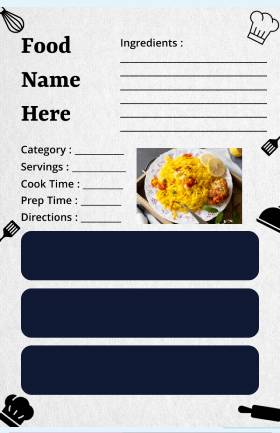
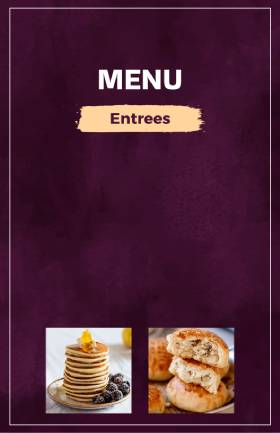
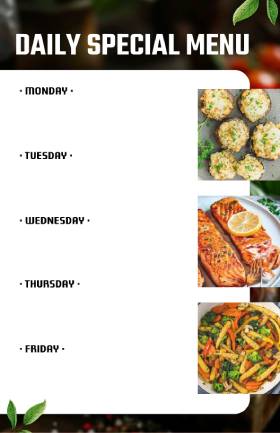
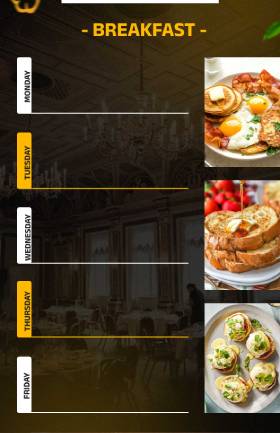
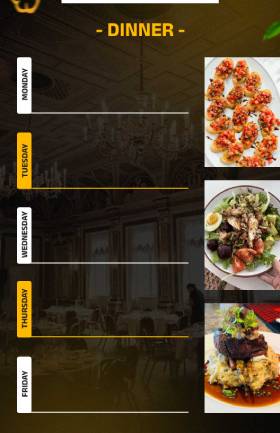
Here are some popular blank menu design examples and templates that are great for different types of restaurants. You can easily customize menu templates and create the best one that not only captures attention but also boosts your orders.

How Do You Choose the Right Blank Menu Design Style?
Selecting the appropriate blank menu design style depends on several crucial factors. First, consider your restaurant’s concept and target audience. Additionally, think about the dining experience you want to create. Subsequently, these essential elements for menu design will guide your design decisions.
Popular Blank Menu Design Styles:
- Minimalist Menu Designs: Minimalist approaches focus on clean lines and simple layouts. Furthermore, they emphasize white space and elegant typography. Consequently, these designs work exceptionally well for upscale restaurants and modern cafes.
- Vintage-Inspired Blank Templates: Vintage designs incorporate classic elements like ornate borders and traditional fonts. Moreover, they create a sense of nostalgia and timeless appeal. Therefore, they’re perfect for establishments with historical significance or traditional cuisines.
- Modern Contemporary Layouts: Contemporary designs embrace current design trends and bold visual elements. Additionally, they often feature geometric patterns and innovative typography. Subsequently, they appeal to younger demographics and trendy establishments.
- Rustic and Natural Themes: Rustic designs incorporate organic shapes and earthy textures. Furthermore, they often feature hand-drawn elements and natural color palettes. Consequently, they work well for farm-to-table restaurants and outdoor dining venues.
How to Edit and Design a Blank Menu that Stands Out?
Editing professional blank menu designs requires the right tools and techniques. Moreover, understanding design principles helps achieve polished results. Therefore, investing time in learning these skills plays a significant role.
1. Choose the Right Editing Tools
Before you can start adding or editing details in your blank menu template, you need to choose the right editing tool. This tool will allow you to open the template, customize it, and make changes like adding dish names, prices, descriptions, logos, and design elements.
Choosing the best tool depends on your comfort level, the file format of the template, and whether you want to use it digitally or for printing. First, open your blank menu template in a tool that supports editing. Your template might be in:
- Lisi.menu – very user-friendly, and has the biggest library of menu templates
- Canva – drag-and-drop, and perfect for beginners
- Microsoft Word or PowerPoint – great for beginners
- Google Docs or Slides – online and free to use
2. Plan Your Menu Sections
Before you start adding dish names and prices to your blank menu, it’s important to plan your menu sections. This step makes your menu more organized, easier to read, and more appealing to your customers. A well-structured menu also helps guide customers to the dishes you want to promote, boosting both satisfaction and sales.
Here are typical categories used in most menus:
- Appetizers / Starters: Small plates to begin a meal.
- Soups & Salads: Lighter options or healthy choices.
- Main Courses / Entrees: Heavier dishes like pasta, burgers, pizzas, curries, or combos.
- Side Dishes: Extra items like fries, garlic bread, or rice.
- Beverages: Soft drinks, juices, tea, coffee, shakes, cocktails, etc.
- Desserts: Cakes, ice creams, sweets, or pastries.
You can also create themed categories such as:
- “Chef’s Recommendations”
- “Family Favorites”
- “Kids’ Menu”
- “Seasonal Specials”
Pro Tip: Write your menu items on paper or in a doc first, then copy them into the template.
3. Add Dish Names and Prices
Now, begin filling in the menu items to your desired blank menu template:
Dish Name:
- Keep it short and clear.
- Use bold text or a larger font.
- Capitalize each word for consistency.
Example:
- Grilled Paneer Tikka
- Butter Chicken Curry
Price:
- Align prices neatly either to the right or next to the item name.
- Use dots (leader lines) to separate the name and price for clarity.
- Keep prices consistent in format (e.g., $15 or 15 —not a mix).
Example:
- Grilled Paneer Tikka …….. $12
- Butter Chicken Curry …….. $18
Tip: Avoid putting currency signs after the amount. One more thing to consider is your menu size. Make sure that your menu size is enough to contain all the details.
4. Add Mouthwatering Description
Writing food descriptions for your menu is a small touch that makes a big difference. It helps customers understand exactly what they’re ordering and builds excitement around your dishes. A well-written description not only explains the ingredients or preparation style but also adds flavor and personality to your menu.
Think of it this way: the dish name tells customers what it is, but the description tells them why they should want it.
Why do descriptions matter?
- They clarify unfamiliar dishes or ingredients.
- They make the food sound more delicious and appealing.
- They build trust, especially with new customers.
- They help upsell dishes by highlighting special features.
5. Use Icons or Labels
Using icons or labels in your blank menu design is a smart and simple way to communicate important information quickly. Small visual cues—like a chili symbol for spicy dishes, a leaf for vegetarians, or a star for chef’s specials —help customers instantly identify options that match their preferences or dietary needs. This is especially helpful in busy restaurants where guests may not have time to read every description.
Labels like “Gluten-Free,” “Vegan,” “New,” or “Popular” can also guide decisions and highlight dishes you want to promote. Icons add a clean, modern touch and make your menu easier to scan. Just make sure the meaning of each icon is clear—either through a small legend at the bottom of the menu or by using universally recognized symbols.
6. Style Your Text Consistently
Consistent text styling is essential for creating a blank menu that looks clean, organized, and professional. When your fonts, sizes, colors, and alignments follow a consistent style, your menu becomes easier to read and visually more appealing. Inconsistent text—like random font sizes, boldness, or alignment—can make your menu look messy and confuse your customers. Styling your text consistently across the entire template helps guide the reader’s eyes naturally from one section to the next, making it easier for them to browse and choose what they want.
Here’s how to maintain consistency when styling your text:
- Use a uniform font family throughout your menu. Choose one or two complementary fonts—one for section headings and one for item names and descriptions.
- Keep font sizes consistent across each element. For example, use the same size for all dish names, another size for descriptions, and a slightly smaller or aligned size for prices.
- Align your text properly—either left-align for easy scanning or center-align for a more formal look, but don’t mix both styles within the same section.
- Maintain consistent spacing and line height between each item and section. This makes the layout feel balanced and easier to follow.
- Use color consistently—if you use a certain color for section headings or highlights, use it in the same way throughout the menu.
7. Review and Organize
After you’ve added all your items, prices, and descriptions to the blank menu, it’s crucial to take time to review and organize the layout before finalizing it. This step ensures your menu is not only visually clean but also easy for customers to understand and navigate.
Even a beautifully designed menu can fail if it’s cluttered, has spelling mistakes, or lacks logical flow. Reviewing your work helps catch errors while organizing the sections ensures that everything flows naturally from start to finish.
Here are key things to check during the review:
- Proofread all text for spelling and grammar
- Ensure all sections are in a logical order
- Check spacing and alignment
- Verify pricing formats
- Look at the visual balance of the menu
- Print or preview the menu to see how it looks
8. Add a QR Code or Contact Info
Adding a QR code or your restaurant’s contact information to your blank menu is a smart way to make your menu more interactive and helpful for customers. A QR code allows diners to scan and view your digital menu, place orders online, or even follow you on social media. This is especially useful in today’s contactless dining environment or for takeout and delivery services.
You can also include your contact details—like your phone number, website, social media handles, or address—at the bottom of the menu. This makes it easy for customers to reach you for reservations, feedback, or future orders.
Which Design Elements Should You Include in Your Blank Menu?
Creating an effective blank menu design requires careful consideration of various design elements. Moreover, each component plays a crucial role in the overall user experience. Therefore, understanding these elements will help you make informed design decisions.
Essential Typography Considerations:
Typography forms the backbone of any successful menu design. Additionally, it affects readability and brand perception. Subsequently, choosing the right fonts becomes critical for your menu’s success.
Font Selection Guidelines:
- Primary Font: Choose a highly readable font for menu items and descriptions
- Accent Font: Select a decorative font for headings and special sections
- Size Hierarchy: Establish clear size differences between headings and body text
- Contrast: Ensure sufficient contrast between text and background colors
Find out more about what colors and typography for menu design work best, and attract more customers.
Color Psychology in Menu Design:
Colors significantly impact customer behavior and appetite. Furthermore, they convey emotions and influence purchasing decisions. Therefore, understanding color psychology becomes essential for effective menu design.
Appetite-Stimulating Colors:
- Red: Increases appetite and creates urgency
- Orange: Promotes enthusiasm and energy
- Yellow: Stimulates happiness and optimism
- Green: Suggests freshness and health
- Brown: Conveys comfort and reliability
Layout and Composition Principles:
Effective menu layout designs guide the customer’s eye through your menu systematically. Additionally, it ensures important items receive proper attention. Subsequently, strategic placement can increase sales of high-profit items.
Layout Best Practices:
- Golden Triangle: Place high-profit items in the upper right corner
- Eye Flow: Design layouts that follow natural reading patterns
- White Space: Use adequate spacing to avoid cluttered appearances
- Grouping: Organize similar items together for easy navigation
Where Can You Find Inspiration for Blank Menu Designs?
Finding inspiration for blank menu designs requires looking beyond the restaurant industry. Moreover, creativity often comes from unexpected sources. Therefore, exploring diverse design fields can spark innovative ideas.
Design Inspiration Sources:
- Online Design Communities: Platforms like Behance, Dribble, and Pinterest offer endless inspiration. Additionally, they showcase work from talented designers worldwide. Subsequently, you can discover emerging trends and innovative approaches.
- Print Design Publications: Design magazines and books provide curated collections of excellent work. Furthermore, they often include detailed explanations of design decisions. Consequently, you can learn from industry professionals and apply their techniques.
- Cultural and Historical References: Art movements, historical periods, and cultural traditions offer rich inspiration. Moreover, they provide authentic storytelling opportunities. Therefore, incorporating these elements can create meaningful connections with customers.
- Nature and Environmental Elements: Natural forms, textures, and patterns provide organic inspiration. Additionally, they can create calming and appetizing atmospheres. Subsequently, restaurants can establish connections with local environments and seasonal ingredients.
What Are the Most Effective Blank Menu Design Trends?
Understanding current menu design trends helps create contemporary and appealing menus. However, balancing trendy elements with timeless design principles ensures longevity. Therefore, selective incorporation of trends proves most effective.
Current Design Trends in Menu Creation:
1. Hand-Lettered Typography: Hand-lettered elements add personality and authenticity to menu designs. Furthermore, they create unique brand identities that stand out. Consequently, many restaurants incorporate custom lettering for special sections or headings.
2. Sustainable Design Elements: Eco-friendly design choices reflect growing environmental consciousness. Additionally, they appeal to environmentally aware customers. Subsequently, restaurants can showcase their sustainability commitments through design choices.
3. Interactive QR Code Integration: Digital integration has become increasingly important post-pandemic. Moreover, QR codes provide seamless connections to online menus. Therefore, incorporating these elements into blank designs ensures future adaptability.
4. Bold Geometric Patterns: Geometric elements add visual interest without overwhelming content. Furthermore, they create modern and sophisticated appearances. Consequently, they work well for contemporary restaurants and cafes.
How Do You Optimize Blank Menu Designs for Different Restaurant Types?
Different restaurant types require tailored approaches to menu design. Moreover, understanding your establishment’s unique needs ensures design effectiveness. Therefore, customizing blank templates for specific contexts becomes crucial.
Fine Dining Menu Design Considerations
Fine dining establishments require elegant and sophisticated designs. Additionally, they should convey exclusivity and premium quality. Subsequently, blank menu designs for upscale restaurants should emphasize refinement and attention to detail.
Fine Dining Design Elements:
- Luxurious Paper Stock: Heavy, textured papers convey quality
- Elegant Typography: Classic serif fonts suggest sophistication
- Minimal Color Palette: Subtle colors maintain elegance
- Spacious Layout: Generous white space creates a premium feel
Casual Dining and Cafe Designs
Casual establishments benefit from approachable and friendly designs. Furthermore, they should feel welcome and comfortable. Therefore, blank menu designs should balance professionalism with accessibility.
Casual Dining Features:
- Playful Typography: A mix of fonts creates a personality
- Vibrant Colors: Bright colors encourage appetite and energy
- Illustrated Elements: Custom graphics add character
- Clear Organization: Easy navigation enhances customer experience
Fast Food and Quick Service Menus
Quick-service restaurants prioritize speed and efficiency. Additionally, designs should facilitate rapid decision-making. Subsequently, blank menu templates should emphasize clarity and visual hierarchy.
Quick Service Design Priorities:
- Bold Typography: Large, clear fonts improve readability
- High Contrast: Strong contrast aids quick scanning
- Strategic Highlighting: Draw attention to popular items
- Simplified Layout: Reduce cognitive load for faster ordering
What Common Mistakes Should You Avoid in Blank Menu Design?
Even experienced designers make mistakes when creating blank menu designs. Moreover, understanding these pitfalls helps prevent costly errors. Therefore, awareness of common issues improves design success rates.
Typography and Readability Mistakes
- Overcomplicating Font Choices: Using too many different fonts creates visual chaos. Furthermore, it confuses customers and appears unprofessional. Consequently, limiting font selections to two or three maximum ensures consistency.
- Insufficient Text Contrast: Poor contrast between text and background impairs readability. Additionally, it creates accessibility issues for customers with visual impairments. Therefore, ensuring adequate contrast ratios becomes essential.
- Inappropriate Font Sizing: Text that’s too small frustrates customers and slows ordering. Moreover, oversized text can appear unprofessional and waste space. Subsequently, finding the right balance ensures optimal readability.
Layout and Design Errors
- Cluttered Compositions: Overcrowded layouts overwhelm customers and hide important information. Furthermore, they create stressful dining experiences. Consequently, embracing white space improves overall design effectiveness.
- Inconsistent Spacing: Irregular spacing between elements appears sloppy and unprofessional. Additionally, it makes menus difficult to navigate. Therefore, establishing consistent spacing rules maintains visual harmony.
- Poor Information Hierarchy: Failing to establish a clear visual hierarchy confuses customers. Moreover, it prevents them from finding desired items quickly. Subsequently, strategic use of size, color, and positioning guides customer attention.
The list doesn’t end here. Restaurant owners and designers make many mistakes while designing a restaurant menu that you must avoid.
How Do You Maintain and Update Your Blank Menu Designs?
Menu maintenance ensures designs remain fresh and effective over time. Moreover, regular updates reflect seasonal changes and new offerings. Therefore, establishing maintenance schedules prevents designs from becoming outdated.
Seasonal Update Strategies
Quarterly Design Reviews: Schedule regular reviews to assess design performance and relevance. Additionally, evaluate customer feedback and sales data. Subsequently, make necessary adjustments to maintain effectiveness.
Seasonal Menu Adaptations: Modify designs to reflect seasonal ingredients and offerings. Furthermore, adjust color schemes and imagery accordingly. Consequently, menus remain relevant and appealing throughout the year.
Special Event Customizations: Create design variations for holidays and special occasions. Moreover, these limited-time changes generate excitement and interest. Therefore, temporary modifications can boost sales and customer engagement.
Digital Asset Management
File Organization Systems: Maintain organized digital files for easy access and modification. Additionally, create a version control system to track changes. Subsequently, proper organization streamlines future updates.
Brand Consistency Guidelines: Document design decisions and brand standards for future reference. Furthermore, create style guides for consistent application. Consequently, maintaining brand coherence across all materials becomes manageable.
Why Should You Consider Professional Help for Blank Menu Design?
While DIY approaches can work for simple needs, professional menu design services offer significant advantages. Moreover, they bring expertise and efficiency to complex projects. Therefore, knowing when to seek professional help becomes important.
When to Hire Design Professionals
Complex Brand Requirements: Restaurants with sophisticated branding needs benefit from professional expertise. Additionally, designers understand how to translate brand identity into effective menu designs. Subsequently, professional results often justify the investment.
Time Constraints: Busy restaurant owners may lack time for extensive design work. Furthermore, professionals can complete projects more efficiently. Therefore, outsourcing design allows focus on core business operations.
Technical Challenge: Complex printing requirements or specialized finishes may require professional knowledge. Moreover, experienced designers understand technical specifications and limitations. Consequently, they can prevent costly mistakes and delays.
Cost-Benefit Analysis
Initial Investment Considerations: Professional design services require upfront investment but often provide better long-term value. Additionally, well-designed menus can increase sales and customer satisfaction. Subsequently, the return on investment often exceeds initial costs.
Long-term Value Assessment Professional designs typically last longer and require fewer revisions. Furthermore, they establish strong brand foundations for future marketing materials. Therefore, considering long-term benefits helps justify professional services.
People Also Ask:
1. What is a blank menu design template?
A blank menu design template is a ready-made layout that has the structure of a restaurant menu but doesn’t include any pre-filled food items. It usually comes with placeholders for sections like starters, mains, desserts, and prices. You can easily add your own text, dishes, logo, and brand colors without designing from scratch.
2. Why should I use a blank menu template instead of designing from scratch?
Using a blank template saves time and effort. It gives you a professional design layout that’s easy to customize. You don’t need design skills or expensive software. Templates also ensure that your menu stays organized, easy to read, and visually appealing.
3. What should I include in my blank menu layout?
Your blank menu layout should have clear sections like Appetizers, Mains, Desserts, and Drinks. It should also leave space for prices, dish descriptions, and possibly dietary icons (like vegan or spicy). Good spacing, readable fonts, and alignment are also important parts of the design.
4. Can I print my menu after filling in the template?
Yes, absolutely. Once you’ve added your details, you can save the file as a PDF or image and print it in high quality. Make sure to check the print size (like A4, A5, or letter size) and preview before printing to avoid layout issues.
5. What are some mistakes to avoid when using blank menu templates?
Avoid cluttering your menu with too much text or too many fonts. Stick to 1–2 font styles and keep spacing clean. Don’t forget to proofread your menu, check alignment, and use high-contrast colors for readability. Also, make sure your prices and sections are clear and consistent.
Conclusion
These were creative blank menu design templates and ideas that offer unlimited creative possibilities for restaurants seeking unique visual identities. Moreover, they provide the foundation for creating memorable dining experiences that keep customers returning. Throughout this guide, we’ve explored essential blank menu design examples, current trends, and practical implementation strategies.
Remember that successful menu design goes beyond aesthetics. Furthermore, it requires understanding your customers, reflecting your brand identity, and facilitating smooth operations. Therefore, investing time and effort in thoughtful design pays dividends in customer satisfaction and business success.