
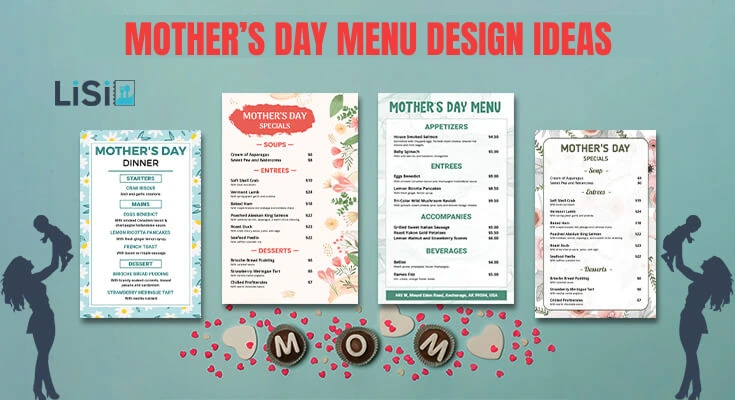
Mother’s Day represents one of the most heartfelt celebrations of the year. Furthermore, if you are looking for Mother’s Day menu design ideas that make a memorable dining experience for mom, we’ve got you covered.
Whether you’re hosting a family brunch, preparing an intimate dinner, or organizing a special gathering, your Mother’s Day menu design can transform an ordinary meal into an extraordinary celebration.
Indeed, the right menu not only showcases delicious food but also demonstrates your love and appreciation. Moreover, a well-designed Mother’s Day menu becomes a keepsake that can be treasured long after the last bite. Therefore, let’s explore creative ideas and practical examples that will help you craft the perfect Mother’s Day dining experience.
What are the Best Mother’s Day Menu Design Examples and Ideas?
From floral and elegant fine dining themes to minimalist or rustic styles, your menu design should reflect the love and appreciation we show moms on this special day. Here are Mother’s Day menu design examples to elevate your celebrations or special events.

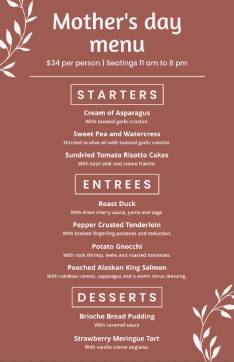
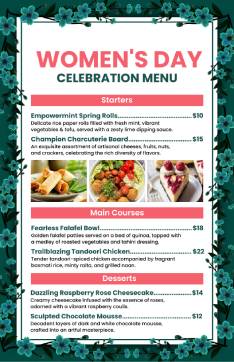


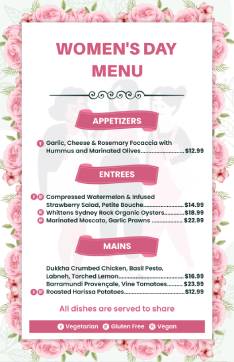
The list doesn’t end here. You can explore our entire library of free menu templates that you can customize and share easily.
How Do You Choose the Perfect Theme for Your Mother’s Day Menu?
Selecting a cohesive theme creates a unified dining experience that feels intentional and polished. Moreover, themes help guide your food choices, design elements, and overall presentation.
Let’s explore several popular Mother’s Day menu themes that consistently create memorable experiences.
1. Floral and Garden-Inspired Theme

The floral & garden-inspired theme is a timeless and elegant choice that perfectly captures the warmth, beauty, and appreciation associated with Mother’s Day. Flowers symbolize love, care, and natural beauty—qualities we often associate with mothers. This theme uses soft, delicate aesthetics to create a peaceful, uplifting dining atmosphere, making moms feel cherished and celebrated.
In terms of menu design, floral themes rely on pastel colors such as blush pink, lavender, mint green, and cream. Incorporating watercolor illustrations of roses, peonies, cherry blossoms, or daisies along the borders or as background accents adds charm and elegance.
Handwritten or calligraphy-style fonts further enhance the gentle, graceful feel of the design. Subtle floral patterns and light textures create a clean yet sophisticated look that aligns beautifully with brunches, afternoon teas, and garden-style lunches.
- Fresh herb garnishes – Use basil, mint, and parsley as both flavor enhancers and visual elements
- Seasonal vegetables – Incorporate asparagus, spring peas, and baby greens
- Floral accents – Add edible flowers like pansies or nasturtiums for visual appeal
- Light, bright flavors – Focus on citrus, fresh herbs, and minimal processing
Furthermore, this theme works exceptionally well for brunch menus and outdoor dining experiences.
2. Elegant Fine Dining Theme

The elegant fine dining theme is designed to offer mothers a luxurious and sophisticated experience, making them feel truly honored and pampered. This theme is perfect for upscale restaurants and venues looking to create an unforgettable Mother’s Day celebration. The design style is refined and graceful, using classic elements like ornate borders, delicate gold accents, and serif or calligraphy fonts.
The color palette typically includes soft champagne, ivory, blush, and hints of gold or navy for a classy touch. The layout is clean and structured, often using symmetry and spacing to emphasize premium quality. This theme evokes a sense of occasion and tradition, ideal for three-course brunches, wine pairings, and chef’s tasting menus.
Similarly, this approach allows you to showcase culinary skills while honoring mom’s refined tastes.
Essential components include:
- Multiple courses – Design a progression from appetizers through dessert
- Premium ingredients – Incorporate items like fresh seafood, quality meats, or artisanal cheeses
- Wine pairings – Suggest complementary beverages for each course
- Sophisticated plating – Present dishes with restaurant-quality presentation
3. Prix Fixe Theme Style

The prix fixe theme style is ideal for Mother’s Day events where you want to provide a curated, stress-free dining experience that feels special and exclusive. A prix fixe (fixed price) menu typically includes a set number of courses—usually an appetizer, main course, and dessert—offered at a single price point. This format not only simplifies decision-making for guests but also helps restaurants manage kitchen operations and maintain consistency during high-traffic Mother’s Day services.
The design of the menu should reflect structure and clarity, with a modern and elegant look. Use clean lines, a neutral or soft color palette, and tasteful typography to make each course stand out. This theme works well in both upscale and mid-range restaurants that want to showcase their culinary finesse while offering value and presentation.
Design Highlights:
- Clean, structured layout with course divisions (e.g., Starter, Entrée, Dessert)
- Soft neutral tones or muted pastels (e.g., cream, blush, slate gray)
- Minimalist fonts with elegant spacing and alignment
- Clear pricing and optional wine or drink pairings
If you don’t know much about prix fixe menu style, we’ve covered a detailed guide on how to design and market a prix fixe menu for restaurants that you must check out.
4. Modern Minimalist Brunch Menu Theme
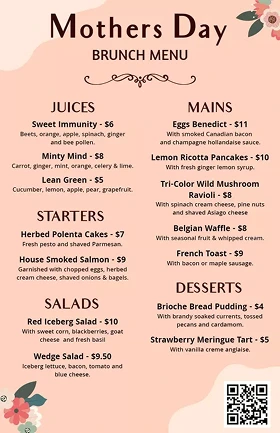
The modern minimalist theme is perfect for restaurants that want a sleek, contemporary, and design-forward approach to Mother’s Day. This style focuses on elegance through simplicity—using clean lines, ample white space, and a limited color palette to create a calm, stylish atmosphere. The design avoids unnecessary embellishments and instead highlights key menu items with sharp typography, subtle icons, and balanced spacing.
Neutral tones like soft beige, off-white, light gray, or warm taupe paired with a muted accent (blush, gold, or sage) keep the layout polished and professional. This theme resonates with modern moms who appreciate quality over quantity, clean aesthetics, and a calm dining environment.
Design Highlights:
- Sans-serif fonts with crisp spacing and bold headers
- Ample white space to maintain focus on each item
- Subtle use of color accents (blush pink, muted gold)
- Minimal use of icons or line dividers to organize content
You can create a menu for Mother’s Day based on many themes for your restaurant using LiSi menu maker, which provides menu designs that you can customize without designing skills.
What Are the Essential Elements of an Effective Mother’s Day Menu Design?
Creating visually appealing menus requires attention to several design fundamentals. Moreover, these elements work together to create a professional, polished appearance that enhances the dining experience.
1. Typography and Font Selection
Your font choices significantly impact readability and overall aesthetic appeal. Additionally, the right typography conveys personality and sets expectations for the meal ahead.
Primary considerations include:
- Readability first – Choose fonts that are easy to read in various lighting conditions
- Style consistency – Use no more than two complementary font families
- Hierarchy establishment – Create clear distinctions between headings, descriptions, and prices
- Size appropriate – Ensure text is large enough for comfortable reading
Furthermore, script fonts work well for elegant themes, while clean sans-serif fonts suit modern, minimalist approaches.
2. Color Psychology and Palette Selection
Colors evoke emotions and influence appetite, making palette selection crucial for menu design success. Therefore, choose colors that align with your theme while creating visual harmony.
Effective color strategies:
- Warm tones – Use soft pinks, warm yellows, or gentle oranges for welcoming feelings
- Natural colors – Incorporate greens and browns for garden-fresh themes
- Elegant neutrals – Employ cream, soft gray, or muted gold for sophisticated menus
- Accent colors – Add small pops of color to highlight special items or sections
To make it clear for you, here learn what typography and color schemes you should choose for menu design to make it more appealing.
3. Layout and Visual Organization
By applying best practices for well-organized menus, guide readers naturally through your offerings while creating visual interest. Additionally, proper layout ensures important information receives appropriate emphasis.
Key layout principles:
- White space utilization – Allow breathing room around text and images
- Logical flow – Organize items in the order they’ll be served
- Visual balance – Distribute elements evenly across the design
- Clear sections – Use borders, spacing, or backgrounds to separate menu categories
4. A Thoughtful Introduction or Message
Adding a short, heartfelt message at the top of your menu instantly connects with your guests. It shows that you care and sets the emotional tone for the meal.
Examples:
“Thank you for celebrating Mother’s Day with us. Today, we honor all the love, strength, and warmth that mothers bring into our lives.”
“To all the amazing moms—this special menu is for you. Enjoy a beautiful meal crafted with care and love.”
This simple addition can create a deeper sense of appreciation and personalization.
5. Curated, Mom-Friendly Dishes
The food is the star of the menu, so make sure it matches the tone of the occasion. Include dishes that are comforting, fresh, and beautifully presented. Avoid overly spicy or heavy items unless they’re part of your regular brand identity.
Suggested categories:
- Light and flavorful starters (salads, soups, dips)
- Elegant main courses (herb-crusted chicken, seafood pasta, gourmet vegetarian)
- Delicate desserts (mousse, fruit tart, chocolate cake)
- Signature drinks or mocktails (rose lemonade, sparkling fruit spritz)
You could also include a prix fixe option for simplicity and value.
6. Personal Touches and Customization
To make moms feel extra special, add a few custom elements to your design. These can be small, but they leave a lasting impact.
Examples:
- A printed name or title like “A Special Menu for Mom”
- QR code linking to a message wall or thank-you video
- Option to write a handwritten note or message from a family member on the menu
Even a free flower or sweet treat with the menu can enhance the emotional experience.
7. Emotional Appeal Through Imagery
If your design allows space, consider adding a small illustration or photo that reflects family, motherhood, or nature. Keep it subtle so it doesn’t overpower the text.
- Soft illustration of a mother and child
- A single blooming flower in one corner
- Photo of your signature dish beautifully plated
How Can You Create Stunning Brunch Menu Designs for Mother’s Day?
Brunch represents the most popular Mother’s Day dining option, combining the best of breakfast and lunch in a relaxed atmosphere. Furthermore, brunch menus allow for creative presentations that celebrate both sweet and savory preferences.
Classic Brunch Menu Example
“A Mother’s Love Brunch”
Beverages
- Mimosa Bar with fresh fruit juices
- Artisanal coffee selection
- Herbal tea garden variety
Sweet Beginnings
- French toast with seasonal berry compote
- Fluffy pancakes with maple butter
- Fresh fruit parfait with granola crunch
Savory Selections
- Eggs Benedict with hollandaise
- Quiche Lorraine with garden salad
- Avocado toast with heirloom tomatoes
Finishing Touches
- Mini pastry assortment
- Dark chocolate-dipped strawberries
Modern Brunch Menu Design Tips
Contemporary brunch menus often emphasize health-conscious options while maintaining indulgent appeal. Therefore, balance lighter choices with traditional comfort foods.
Modern elements to include:
- Superfood additions – Incorporate quinoa, chia seeds, or acai
- Alternative proteins – Offer plant-based options alongside traditional choices
- Global flavors – Add international touches like shakshuka or Japanese pancakes
- Customizable options – Create build-your-own sections for personalization
How Do You Incorporate Personal Touches Into Your Mother’s Day Menu?
Personalization transforms generic menus into meaningful tributes that celebrate your mom’s unique qualities. Moreover, these special touches demonstrate thoughtfulness and create lasting memories.
1. Recipe Stories and Family History
Including brief stories about featured dishes adds emotional depth to your menu design. Furthermore, these narratives create connections between food and cherished memories.
Effective storytelling elements:
- Recipe origins – Explain where family recipes originated
- Special occasions – Mention when dishes were traditionally served
- Personal modifications – Describe how you’ve updated classic recipes
- Memory connections – Link dishes to specific family moments
2. Customized Menu Names
Creating unique names for your dishes adds personality and charm to the dining experience. Additionally, personalized names make the menu feel custom-designed rather than generic.
Naming strategies:
- Mom’s favorites – Use names that reference her preferred foods or memories
- Family nicknames – Incorporate loving family terms or inside jokes
- Location references – Name dishes after meaningful places or travels
- Hobby connections – Reference mom’s interests or hobbies in dish names
3. Photo Integration
Adding family photos or images of the actual dishes enhances visual appeal while creating emotional connections. Therefore, carefully selected images can elevate your menu design significantly.
Photo selection tips:
- High-quality images – Use clear, well-lit photographs
- Relevant connections – Choose images that relate directly to menu items
- Appropriate sizing – Ensure photos enhance rather than overwhelm text
- Consistent style – Maintain similar photo treatments throughout the menu
4. Feature a “Mom’s Favorite” Dish
If you know your customer base well, feature a popular dish that many moms love. You can even name it accordingly to reflect that it’s inspired by or dedicated to moms.
Example Names:
- Mom’s Garden Salad with Berries & Feta
- Mama’s Signature Roast Chicken
- Sweetheart Chocolate Cake (Just Like Mom’s)
This not only creates an emotional link but also adds uniqueness to your menu.
5. Offer a Complimentary Gift With the Menu
Make the menu feel like part of a gift package. Add a small token to the dining experience to surprise and delight moms.
Here’s what you can do to personalize the menu:
- Give a single flower or a mini bouquet
- Small dessert wrapped to go
- Give a thank-you card with the restaurant’s logo and a message
- Include a photo with mom (printed or digital)
This gesture doesn’t need to be expensive. It just needs to feel thoughtful and well-planned.
How Can You Design Mother’s Day Menus for Special Dietary Needs?
Inclusive menu design ensures every family member can fully participate in the Mother’s Day celebration. Therefore, consider various dietary restrictions and preferences when planning your offerings.
Gluten-Free Menu Options
Many families need gluten-free alternatives that don’t compromise on flavor or presentation. Furthermore, modern gluten-free options can be just as delicious as traditional versions.
Gluten-free menu ideas:
- Naturally gluten-free dishes – Focus on meats, vegetables, and rice-based items
- Alternative flour baking – Use almond, coconut, or rice flour for baked goods
- Clear labeling – Mark all gluten-free options distinctly
- Cross-contamination awareness – Address preparation and serving considerations
Plant-Based and Vegan Considerations
Plant-based dining continues growing in popularity, making vegan options increasingly important. Additionally, creative plant-based dishes can surprise and delight even non-vegan family members.
Vegan menu strategies:
- Protein variety – Include legumes, nuts, quinoa, and plant-based alternatives
- Flavor complexity – Use herbs, spices, and cooking techniques for rich tastes
- Nutritional balance – Ensure meals provide complete nutritional profiles
- Beautiful presentation – Focus on colorful, visually appealing plating
Low-Sodium and Heart-Healthy Options
Health-conscious menu options show care for mom’s wellbeing while maintaining delicious flavors. Moreover, heart-healthy cooking can be both nutritious and indulgent.
Heart-healthy approaches:
- Herb and spice emphasis – Reduce salt while increasing flavor complexity
- Healthy cooking methods – Use grilling, roasting, and steaming techniques
- Good fat inclusion – Incorporate olive oil, avocados, and nuts
- Portion awareness – Offer satisfying portions without excess
What Are the Latest Trends in Mother’s Day Menu Design?
Staying current with menu design trends ensures your Mother’s Day menu feels fresh and contemporary. However, balance trendy elements with timeless appeal for lasting impact.
1. Minimalist Design Approach
Clean, uncluttered menus continue gaining popularity for their elegant simplicity. Furthermore, minimalist designs allow food descriptions to shine without visual distractions.
Minimalist elements:
- Abundant white space – Create breathing room around text elements
- Simple typography – Use clean, readable fonts without excessive decoration
- Limited color palette – Stick to 2-3 colors maximum
- Strategic emphasis – Highlight only the most important information
2. Hand-Lettered and Artisanal Elements
Handcrafted design elements add warmth and personality to menu presentations. Additionally, artisanal touches create unique, one-of-a-kind appearances.
Artisanal design features:
- Hand-drawn illustrations – Add custom sketches or botanical drawings
- Calligraphy accents – Use handwritten elements for special sections
- Watercolor backgrounds – Incorporate soft, painted textures
- Natural materials – Consider kraft paper or textured cardstock
3. Interactive Menu Elements
Modern menu designs might include QR codes linking to additional content or interactive features. Therefore, technology integration can enhance without overwhelming the traditional dining experience.
Interactive possibilities:
- Recipe access – Link to full recipes for interested family members
- Preparation videos – Share cooking process footage
- Playlist connections – Link to curated music for the meal
- Photo galleries – Connect to family photo collections
4. Botanical and Watercolor Illustrations
Floral elements are timeless for Mother’s Day—but now, they’re showing up in watercolor style or hand-drawn botanical designs that feel fresh and artistic.
Trending Illustrations:
- Roses, cherry blossoms, lavender
- Green leafy borders or wreaths
- Watercolor splashes behind text
These illustrations are often used around the edges of the menu or as subtle background visuals. They add elegance without overwhelming the content.
5. Premium Print and Textures
Menus are becoming more tactile, using quality materials and textures that enhance the dining experience. Instead of thin paper, designers are using textured cards, matte finishes, or soft pastel-colored paper stock.
Other Enhancements:
- Gold or rose gold foil accents
- Embossed floral patterns
- Reusable menu covers or menu cards designed as keepsakes
These upgrades make the menu feel like a gift in itself and reflect the value placed on the occasion.
6. Visual Hierarchy for Easy Navigation
A strong visual hierarchy helps guests understand and enjoy the menu without confusion. Designers are using bold section headers, icons, and clear groupings to improve the experience.
Trending Features:
- Highlighting special dishes with boxes or icons
- Write appetizing menu descriptions with the dish’s ingredients
- Organizing the menu into 2 or 3 neat columns
This makes it easier for families—especially children and older adults—to quickly choose what they want.
People Also Ask:
1. What are the best themes for a Mother’s Day menu design?
Some of the best Mother’s Day menu themes include Floral & Garden, Elegant Fine Dining, Modern Minimalist, Rustic Farmhouse, and Prix Fixe-Style. These themes help set the right mood and reflect warmth, beauty, and appreciation. Choosing a theme that fits your restaurant’s ambiance will make the celebration more special and cohesive.
2. How do I make my Mother’s Day menu feel more personal?
Add personal touches like a heartfelt message at the top, name special dishes after moms (e.g., “Mom’s Favorite Pasta”), or include a space for guests to write a note to their mother. You can also offer a complimentary flower or dessert to make the experience feel more thoughtful and intimate.
3. What design elements make a Mother’s Day menu look elegant?
To create an elegant look, use a soft color palette (like blush pink, ivory, or gold), combine script fonts for titles with clean sans-serif fonts for readability, and include subtle design elements like floral borders, watercolor illustrations, or gold accents. High-quality paper or textured backgrounds also add a luxurious feel.
4. Should I use a printed menu or a digital one for Mother’s Day?
Both work well, but for Mother’s Day, a printed menu offers a more personal and keepsake-like experience. However, if you’re using digital menus, make sure they are mobile-friendly, beautifully styled, and aligned with the day’s theme. QR code menus can be elegant too if well-designed. Here find more about printed menu vs digital menu format for restaurants.
5. How do restaurant owners promote Mother’s Day menu design effectively?
Use menu design in your social media posts, website banners, email campaigns, and reservation confirmations. Make sure the visuals match the in-house menu. Posting sneak peeks of dishes or behind-the-scenes content builds excitement and helps attract early bookings.
6. What is a prix fixe Mother’s Day menu, and why is it popular?
A prix fixe menu offers a set number of courses at a fixed price, usually including a starter, main, and dessert. It’s popular for Mother’s Day because it simplifies choices, ensures smoother kitchen operations, and provides guests with a complete dining experience that feels special and well-organized.
Conclusion
These are the best Mother’s Day menu design ideas with examples that serve as much more than a simple list of dishes. Instead, it becomes a tangible expression of love, appreciation, and thoughtfulness that honors the special woman in your life. Furthermore, a well-crafted menu creates anticipation, enhances the dining experience, and provides a lasting keepsake.
Remember that the most important element of any Mother’s Day menu is the love and effort you put into its creation. Whether you choose elegant sophistication or cozy comfort, digital innovation or traditional charm, your thoughtful approach will shine through. Moreover, the time you invest in creating something special demonstrates your appreciation more powerfully than any expensive gift.