
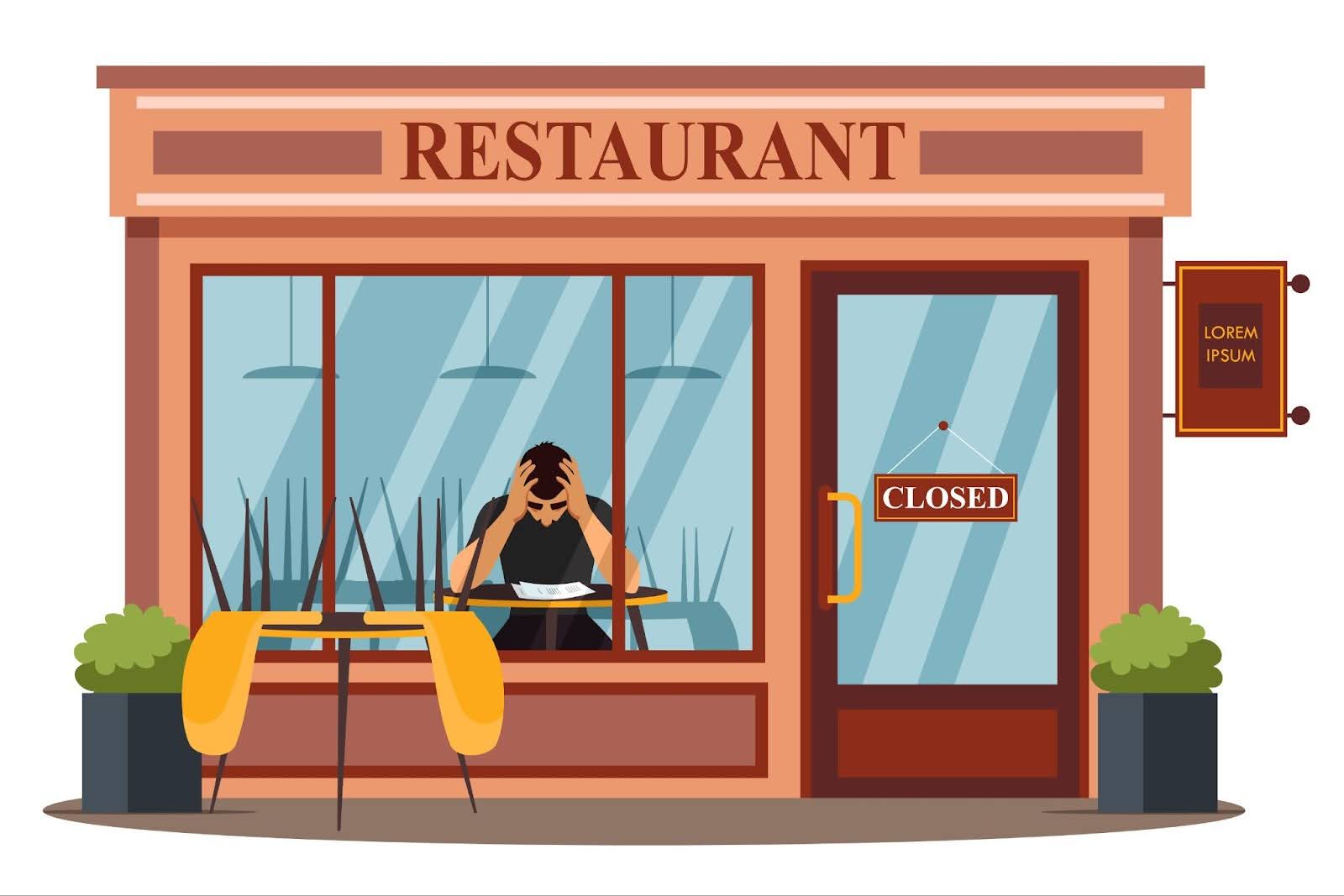
In commercial real estate, a dark restaurant space rarely sits empty just because the rent is too high; more often, it is because the story around the space is weak or unfocused. Good operators shopping for a restaurant lease are not looking for four walls and a hood system-they are looking for a location that can reliably support sales and profit over the long term. To get their attention, a landlord has to move beyond a basic “for lease” flyer and frame the property as a credible business opportunity, backed by numbers rather than adjectives.
That starts with serious trade area work, not guesswork. Instead of simply noting that the space is “close to offices” or “near dense housing,” you dig into who actually lives, works, and spends money there, and what kind of concepts perform best in that environment. In practice, the strongest restaurant leasing campaigns feel less like listing a vacant unit and more like presenting a well‑researched thesis: here is the market, here is the gap, and here is why this specific space is positioned to capture that demand.
Analyzing Demographics and Psychographics
Before you can make a convincing case for any restaurant concept, you need a clear picture of who is actually going to eat there day in and day out. Instead of stopping at a generic “strong population within a five‑minute drive,” a savvy landlord looks at income bands, household types, and daily patterns: Are these young professionals grabbing dinner after work, families stretching one paycheck, or students chasing value meals?
The numbers are only part of the story; how people live and what they care about matter just as much. In some trade areas, the lunch crowd prizes speed and convenience, so a polished fast‑casual brand will outperform a lingering, full‑service concept; in others, residents will happily pay more for local sourcing, sustainability, or a strong bar program. When you align the proposed concept with both the hard data and the neighborhood’s values, you stop selling “space” and start presenting a believable path to revenue that serious operators can underwrite.
Identifying the “Missing Tooth” in the Local Culinary Landscape
Once you know who lives and works in the trade area, the next step is to look closely at what they can already eat within a short walk or drive. Crowded categories like burgers, pizza, or generic Italian often signal that adding “one more of the same” will just dilute everyone’s sales rather than create a breakout hit.
Instead, treat the neighborhood like a smile with one obvious gap and ask what is missing. Maybe there is no serious coffee program, no late‑night option, or no credible sushi or plant‑forward concept despite strong demand. When a landlord can point to that opening with data and then approach operators who specialize in filling it, the conversation shifts from “here is some space” to “here is a location that solves a specific market problem for your brand,” which is far more compelling to creditworthy tenants.
Technical Readiness: The “Invisible” Marketing Assets
Curb appeal and a busy corner may get a chef to tour the space, but the deal is usually won or lost in the back of house. Experienced operators care less about pretty brick and more about whether the building’s “guts” can actually support a modern kitchen without months of surprises and overages.
That is why technical readiness is not just an operations detail; it is one of your biggest marketing levers. When you lead with clear information about infrastructure-power, ventilation, plumbing, and code compliance-you immediately separate your listing from generic shells and position it as true second‑generation restaurant space, capable of opening faster with less capital at risk.
Auditing Mechanical, Electrical, and Plumbing (MEP)
To an experienced restaurateur, a clean “vanilla shell” often looks less like a blank canvas and more like a money pit full of permits, delays, and change orders. By contrast, a space with serious MEP infrastructure already in place is immediately more attractive, because it shortens the timeline between signing the lease and serving the first guest.
Your marketing should lead with those details, not bury them. Calling out the hood size, duct diameter, grease trap capacity, make‑up air, and available electrical load-rather than vague phrases like “build‑to‑suit”-signals that this is a true restaurant‑ready box. A conditioned shell with a 400‑amp panel and a code‑compliant exhaust system can save a tenant many months and hundreds of thousands in build‑out, freeing up capital for hiring, marketing, and creating a compelling guest experience instead of breaking concrete for new plumbing runs.
Pre‑Marketing Regulatory Due Diligence (Zoning/Liquor)
For most serious operators, unclear zoning or liquor potential is an instant red flag, no matter how good the corner looks. Before you ever take photos or upload a listing, it pays to do the homework on use permissions, parking requirements, venting, and what type of food‑and‑beverage license the site can realistically support.
Being able to say, up front, that the space is already approved for restaurant use and outline exactly which liquor license tier is allowed removes a huge layer of risk from the tenant’s decision. When you package that information with your marketing-rather than leaving it for lawyers to untangle at the eleventh hour-you save time for everyone involved and position the property as a launch‑ready location, not a regulatory science project.
Visual Merchandising: Selling the Vision, Not the Shell
One of the biggest mistakes in restaurant leasing is assuming every operator can walk into a cold shell and instantly picture a busy dining room. Many talented chefs and groups are operators first, not architects, so a set of grainy phone photos of concrete floors and exposed ductwork usually communicates “project” and “headache,” not “opportunity.”
If you want to command premium rent, your marketing has to do the imaginative work for them. High‑quality visuals that show how the space can function as a real restaurant help prospects see flow, capacity, and guest experience in a way that static, “as‑is” shots never will, turning a blank box into a believable concept home.
Utilizing Conceptual Renderings vs. Empty Shell Photos
Institutional‑grade marketing goes beyond showing what the box looks like today; it paints a clear picture of how it can work when it is fully built and buzzing with guests. Instead of a carousel of empty‑shell photos, smart landlords invest in test‑fit layouts and conceptual renderings that map out the host stand, bar, kitchen line, restrooms, and seating so operators can immediately see capacity, circulation, and service flow.
By answering those operational questions visually-“Will my line fit?” “How many seats can I get?” You remove friction from early conversations and let prospects focus on brand, menu, and revenue potential rather than trying to solve space planning on the fly.
The Power of Virtual Tours for Multi‑Market Restaurant Groups
For regional and national brands, the people approving new sites are often in another city, juggling multiple markets at once. If all you offer them is a PDF flyer and a few static photos, the listing will usually fall behind locations they can actually “walk” from their desks.
High‑resolution virtual tours change that equation by letting executives, real estate directors, and investors experience the space remotely, checking sightlines, ceiling heights, and guest flow without getting on a plane. Providing that level of access signals that you are used to working with professional groups and effectively opens the door to a deeper, better‑capitalized tenant pool than you would reach with local drive‑bys alone.
Channel Strategy: Active Outreach vs. Passive Listing
Posting a restaurant space on LoopNet or Crexi is not a marketing strategy; it is a listing step. For high‑value restaurant locations, waiting for the right operator to stumble across your ad is the leasing equivalent of hoping for walk‑in traffic in a hidden alley.
Strong results come from treating tenant discovery as proactive sales work. That means using public platforms as just one channel, while most of the real effort goes into identifying the operators who would truly upgrade your rent roll and reaching out to them directly and through their trusted advisors.
Leveraging Commercial Broker Networks
Many of the best restaurant leases never show up on public listing sites because they move quietly through broker relationships. Tenant‑rep brokers know which regional and national brands are actively expanding, what their site criteria look like, and how quickly they can move on the right opportunity.
To get their attention, a landlord has to offer more than a glossy flyer. Packaging the deal with clear demographic data, infrastructure highlights, and a tight story about why the site works gives brokers real ammunition to sell the location to their clients, effectively turning them into a performance‑based sales team for your property rather than passive email recipients.
Targeted Direct Outreach to Regional Restaurant Groups
Broker networks are powerful, but they are not a substitute for doing your own homework on who you actually want in the building. Often, the strongest candidates are multi‑unit operators who are already winning in nearby submarkets but have not yet planted a flag in your specific trade area.
A strategic landlord maps those brands, studies where they perform well, and then reaches out with a tailored pitch that ties their growth plans to a clearly documented gap in the local market. The message is less “we have space” and more “here is a proven neighborhood where your concept is missing, and our site gives you the right footprint to capture that demand,” which reframes the conversation as a long‑term partnership opportunity rather than a simple space‑for‑rent ad.
Deal Structuring as a Marketing Lever
Many owners treat the lease as paperwork to handle after a tenant is found, but the way a deal is structured is often what attracts or repels the best operators in the first place. Strong groups care just as much about upfront capital, ramp‑up risk, and flexibility as they do about base rent, so the financial story belongs in your marketing, not just in the term sheet.
When you frame deal terms as part of the value proposition-rather than a fixed take‑it‑or‑leave‑it document-you open the door to higher‑quality tenants who prioritize cash flow stability over chasing the cheapest possible rate. Thoughtful structures can turn your space into the “easy yes” compared with a competing location that looks similar on paper but demands far more cash and risk on day one.
Marketing Tenant Improvement (TI) Allowances Aggressively
For restaurant operators, the most painful period is the stretch between signing a lease and serving the first paying guest, when money only flows one way: out. Build‑out costs for a serious kitchen can easily overwhelm even seasoned groups, which is why a meaningful Tenant Improvement Allowance often matters more than shaving a few dollars off the base rent.
Instead of treating TI as a secret chip for late‑stage negotiations, put it front and center in your marketing quote the per‑square‑foot contribution or describe a near‑turnkey package in plain language. This signals that you are willing to invest alongside the tenant, attracting operators who understand the time value of money and would rather trade a slightly higher rent over the term of the lease for preserving precious working capital for hiring, training, and launch‑phase marketing.
The Appeal of Percentage Rent Options for Startups
For new concepts and early‑stage groups, a rigid fixed rent can feel like an anchor before the business even finds its footing. A well‑structured percentage rent deal-lower base rent paired with a share of gross sales above a sensible breakpoint-can dramatically soften that early burn rate and make your space viable for promising but less capital‑heavy operators.
When you actively market this kind of flexibility, you stand out in a sea of “standard form” leases and signal that you are prepared to bet on the site’s performance alongside the tenant. Done correctly, these structures do not just protect the operator; once the restaurant hits its stride, the percentage component can push total rent above typical market levels, turning what looked like a concession into an upside‑sharing partnership.
Conclusion: The Vetting Process as the Final Marketing Step
A strong marketing campaign can fill your inbox with inquiries, but the real value is created in choosing who actually gets the keys. The vetting stage is not a formality at the end of the process; it is the final, critical piece of marketing where you decide whether the story a tenant tells on paper lines up with their ability to operate and pay rent in the real world.
When you treat screening as part of your brand as a landlord-disciplined, data‑driven, and focused on long‑term performance-you protect the building’s income stream and reputation instead of simply ending a vacancy at any cost. In practice, that mindset is what turns clever positioning and polished visuals into an asset that grows in value, not just a space that finally stopped bleeding cash.
Ensuring Operational Viability
Signing a lease with an under‑capitalized or unproven operator does not truly solve vacancy; it just delays it. A careful review of the business plan, build‑out budget, and working capital reserves-along with a hard look at prior operating history and realistic cash‑flow projections-helps you separate hopeful concepts from those with a real shot at surviving normal industry volatility.
By insisting on that level of diligence, you reduce the odds of costly mid‑term defaults and disruptive closures. The goal is a tenant who can absorb slow seasons, unexpected repairs, and market shifts without turning your restaurant space back into a dark box on the corner.
Long‑Term Partnership Mindset
A restaurant tenant is not just a rent payer; they are a visible extension of your property on the street. A thriving operator brings consistent foot traffic, strengthens neighboring tenants, and can even compress your cap rate when it is time to refinance or sell.
Approaching leasing decisions with a partnership mindset-prioritizing operators who fit the market, respect the asset, and think in years rather than months-ensures that all of the effort you put into marketing pays off in durable income, stronger positioning, and a more valuable building overall.