
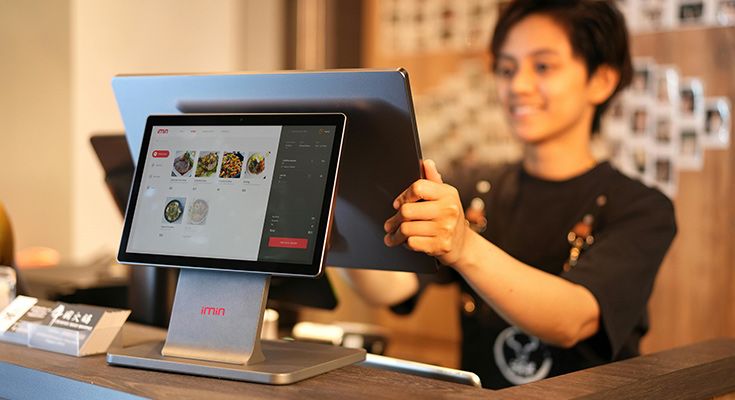
The future of digital menus in hotels is transforming the dining experience by integrating advanced technologies that enhance guest satisfaction and streamline operations. These digital solutions provide a seamless interface for both staff and guests, ensuring quick service and accurate order processing. As technology evolves, the hospitality industry must adapt to meet the growing expectations of tech-savvy travelers.
In recent years, digital menus have become a cornerstone of efficient hotel dining operations. By harnessing technological advancements, these systems significantly enhance guest experiences and operational efficiency. As you explore the role of digital menus in modern hospitality, it becomes clear how they are reshaping dining services. The future of POS systems seems to offer unprecedented levels of customization and integration, setting new standards in guest service.
Evolution of Digital Menus in Hotel Dining
Historically, hotel dining relied on traditional paper menus, but the shift to digital platforms has revolutionized the guest experience. Initially designed to provide convenience and efficiency, digital menus have expanded their capabilities to include a wide range of functions essential for modern hotel dining. Over the years, advancements in technology have allowed these systems to evolve in response to changing consumer needs and operational demands.
With each iteration, digital menus have integrated more features that cater specifically to the dynamic nature of hotel dining environments. The transition from static displays to interactive, cloud-based solutions represents a significant shift that allows us to discover the future of POS systems: Flexibility and scalability. This evolution has enabled hotels to offer guests faster service while maintaining high levels of accuracy and efficiency in order processing. As we continue to explore this trajectory, it is clear that digital menus are indispensable tools for today’s hospitality industry.
The transformation from paper-based systems to digital platforms has been driven by the increasing demand for contactless solutions and enhanced hygiene standards, particularly accelerated by recent global health concerns. Hotels that embraced digital menus early found themselves better positioned to adapt to rapidly changing guest expectations and regulatory requirements. This digital transformation has also opened new opportunities for data collection and analysis, enabling hoteliers to gain valuable insights into dining patterns, popular menu items and peak service times. The ability to quickly modify menu offerings, adjust pricing dynamically and highlight seasonal specials has given hotels unprecedented flexibility in managing their food and beverage operations while responding to market conditions in real-time.
Features Enhancing Modern Dining Experiences
Modern digital menus boast several innovative features that enhance both guest experiences and staff efficiency. Cloud-based solutions allow for seamless updates and data access across multiple devices, ensuring that all parts of the operation are synchronized. Mobile compatibility further enhances this connectivity by allowing staff to take orders directly from guests’ tables using handheld devices.
Integration with other hotel management systems is another critical feature that streamlines operations and enhances service delivery. This connectivity enables real-time updates on inventory levels, special promotions and guest preferences, ensuring a personalized experience for every diner. These features not only improve operational efficiency but also empower staff to deliver superior service by minimizing errors and reducing wait times. The cost of a POS system, for many hotels, is far outweighed by the usefulness and customer satisfaction that they see from its implementation.
Interactive visual elements such as high-resolution images, videos and detailed ingredient descriptions have become standard features in contemporary digital menus, significantly influencing guest decision-making and order values. Many systems now incorporate multilingual support, automatically detecting guest preferences or allowing manual language selection to accommodate international travelers. Advanced filtering capabilities enable guests to easily navigate menus based on dietary restrictions, allergen information or nutritional values, creating a more inclusive dining experience. Additionally, digital menus can showcase chef recommendations, pair wine suggestions with entrees and display real-time availability of dishes, preventing disappointment when popular items are temporarily unavailable and improving overall guest satisfaction.
Impact on Guest Experience Through Technology
Advanced digital menus have transformed how guests interact with hotel dining services by providing a more seamless and personalized experience. Guests can now enjoy faster service with increased accuracy in orders, thanks to real-time communication between the kitchen and front-of-house staff. Customization options allow diners to tailor their meals according to dietary preferences or specific tastes.
This technological integration enhances overall satisfaction by reducing wait times and improving the accuracy of orders. For example, digital menus accessible via QR codes enable guests to browse offerings at their leisure, adding a layer of convenience not previously available. The ability for staff to access detailed guest profiles further personalizes service, making diners feel valued and understood.
The psychological impact of digital menus extends beyond mere convenience, as they create a perception of modernity and innovation that resonates with contemporary travelers seeking cutting-edge experiences. Guests appreciate the autonomy these systems provide, allowing them to browse menus without feeling rushed by wait staff, take their time making selections, and even split bills or apply loyalty rewards seamlessly through integrated payment systems. The reduction in human error associated with manual order-taking translates to fewer incorrect dishes being served, minimizing food waste and enhancing sustainability efforts. Furthermore, digital menus can capture valuable feedback immediately after the dining experience, enabling hotels to address concerns promptly and continuously refine their offerings based on real guest sentiment rather than delayed survey responses.
Streamlining Operations and Optimizing Revenue
The introduction of sophisticated digital menus has significantly improved operational efficiency within hotel dining environments. These systems reduce errors by automating many routine tasks such as order processing and payment transactions. This automation allows staff to focus more on delivering exceptional customer service rather than on administrative duties.
Data analytics plays a crucial role in optimizing revenue management strategies through these advanced digital solutions. By analyzing trends in customer behavior and preferences, hotels can better tailor their offerings to meet demand while maximizing profitability. Understanding metrics like peak dining times or popular menu items aids in strategic decision-making processes, ultimately enhancing overall service delivery.
Future Trends in Digital Menu Technology
As we look towards the future, emerging technologies such as artificial intelligence (AI) and the Internet of Things (IoT) are expected to further transform digital menus. AI can provide predictive analytics for inventory management or even suggest personalized dining options based on past behaviors. Meanwhile, IoT devices could automate routine checks or maintenance tasks within dining areas.
The potential integration of these technologies promises to elevate the dining experience further by offering more intuitive services tailored specifically for each guest’s needs. As you anticipate these innovations shaping the hospitality landscape, staying informed about developments will be crucial in maintaining a competitive edge.