
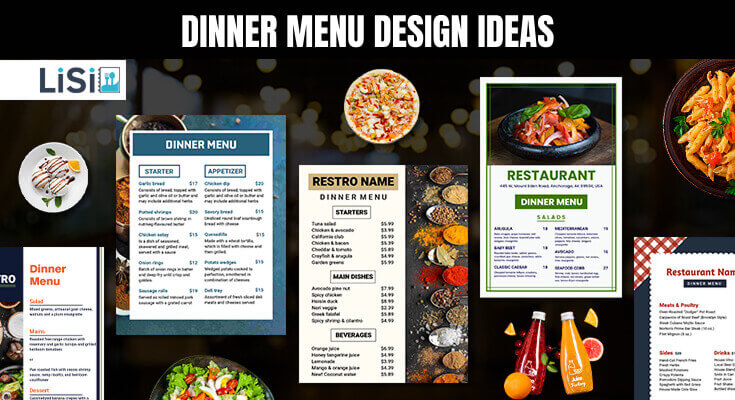
Looking for dinner menu design ideas to make your designing process easier and faster? Whether you’re cooking for your family, hosting guests, or simply trying to eat healthier, creating a well-structured dinner menu can transform your cooking experience. Moreover, a thoughtful dinner menu saves time, reduces food waste, and ensures everyone enjoys their meal.
In this comprehensive guide, we’ll explore everything you need to know about crafting dinner menus, practical tips, and design ideas.
What Key Elements are Needed to Design a Dinner Menu?
Here’s an in-depth look at the key elements needed to design a dinner menu.
1. Theme or Concept
The first step in designing a dinner menu is choosing a theme or concept. This will guide the entire menu and give it focus. The theme can be based on:
- Cuisine Type: Italian, French, Mexican, Asian, or Fusion
- Occasion: Casual dinner, formal event, family gathering, or holiday-specific like Christmas or Thanksgiving
- Seasonal: Using ingredients that are fresh and available during the current season
- Dietary Focus: Vegan, gluten-free, low-carb, etc.
2. Variety of Dishes
A good menu offers a variety of dishes to cater to different tastes and dietary needs. Ideally, it should include:
- Appetizers: Light, flavorful starters that get the meal going. These can be soups, salads, or finger foods like bruschetta or cheese platters.
- Main Courses: These should be the heart of the menu. They should offer a balance between protein (meat, fish, or plant-based alternatives), vegetables, and starches (like rice, potatoes, or pasta).
- Side Dishes: These complement the main course and can vary from roasted vegetables, mashed potatoes, or rice pilaf.
3. Balance of Flavors
A well-designed menu should consider the balance of flavors throughout the meal. This includes:
- Sweet: Dishes or desserts that offer sweetness, like fruit, caramel, or chocolate.
- Savory: Main dishes with rich, umami flavors, such as meats, cheese, or broths.
- Salty: Some appetizers or main courses can offer a savory saltiness, like cheese, olives, or cured meats.
- Sour: Adding a touch of sourness with citrus, vinegars, or pickled items.
4. Food Pairing
The menu should include dishes that pair well together in terms of flavors, textures, and presentation. Some pairing considerations include:
- Wine Pairing: If offering wine, ensure that the main dishes pair well with specific wines (e.g., red wine with steak, white wine with fish).
- Textural Contrast: Combining crunchy and creamy textures (like a crisp salad with a creamy dressing or a crunchy crust on a tender fish fillet) can create a more satisfying experience.
- Color Contrast: A visually appealing menu will often have a mix of colorful dishes (e.g., green vegetables, red meats, golden potatoes) to make the meal look appetizing.
6. Dietary Considerations
Different people have different dietary needs. It’s important to include options for:
- Vegetarians/Vegans: Dishes that don’t include meat or animal products.
- Gluten-Free: For those with gluten sensitivities, providing gluten-free bread, pasta, or pizza options ensures inclusivity.
- Low-Carb or Keto: Some guests may prefer a lower-carb option, like cauliflower rice or grilled chicken without sauces.
7. Special Features
Sometimes, adding unique touches can elevate a dinner menu:
- Signature Dishes: A few standout dishes can be the stars of your menu. These can be unique to your theme or restaurant and make your menu memorable.
- Specials or Limited-Time Items: Offering seasonal or limited-time dishes can create excitement and keep the menu fresh.
- Chef’s Recommendations: Highlight a few dishes that the chef is particularly proud of or that are popular among guests.
Variety helps ensure everyone finds something they like, making the dinner more enjoyable.
These are key elements you need to consider while designing a dinner menu. You can fill in with your dishes and details to create a professional-looking dinner menu, without starting from scratch. Also, you can access a menu maker online to begin creating a stunning dinner menu right away.
What are the Best Dinner Menu Examples and Ideas?
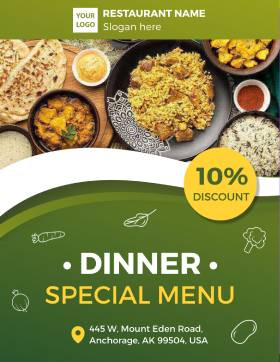
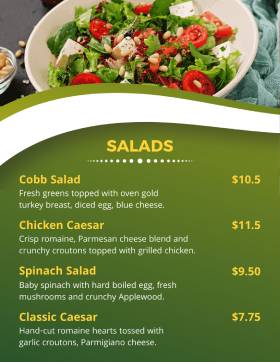
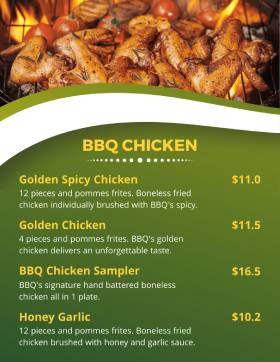
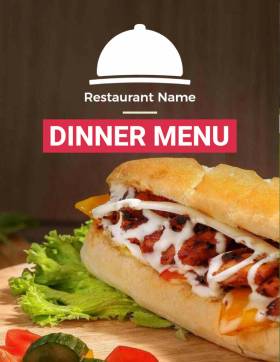
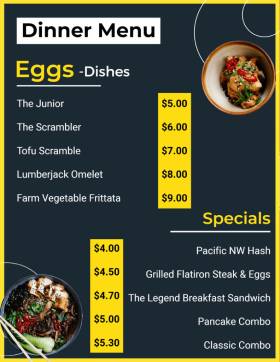
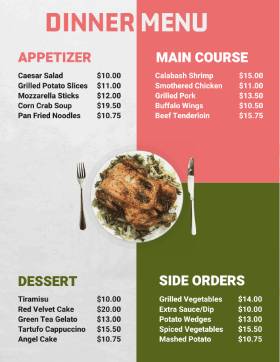
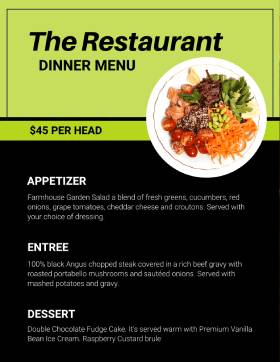
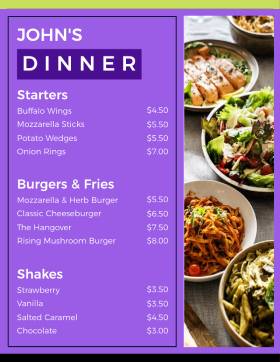
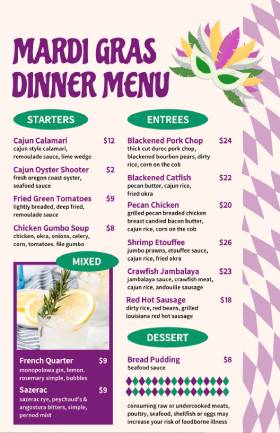
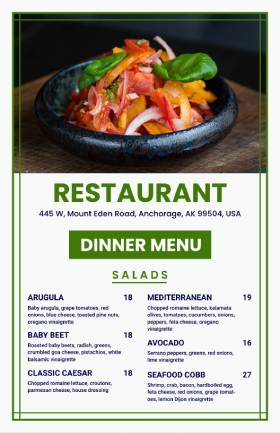
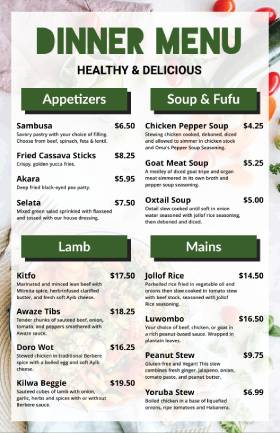
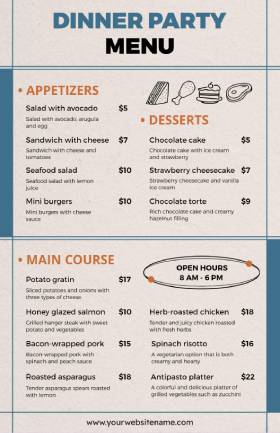
When looking for the best menu templates and examples for your restaurant, it’s important that they look great and match your brand identity. Moreover, here are some visually appealing dinner menu examples that you can easily customize and create the best one that not only captures attention but also boosts your orders.
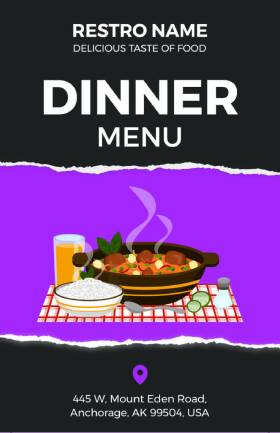

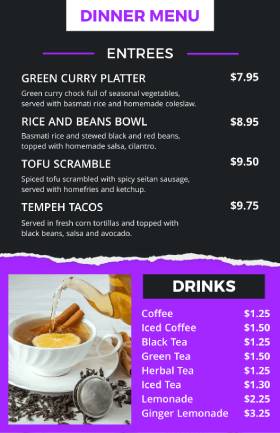
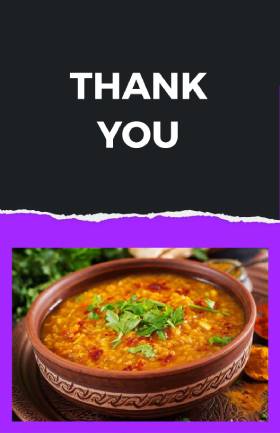



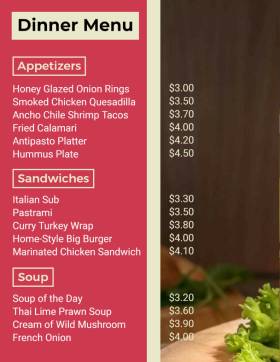
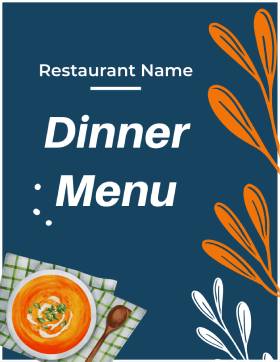
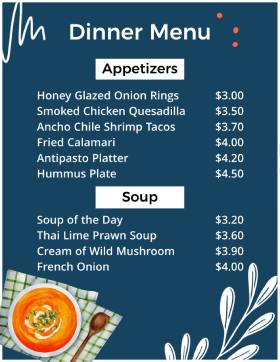
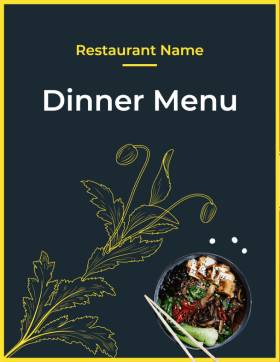


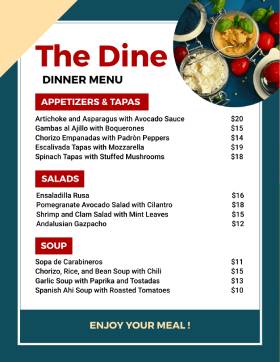
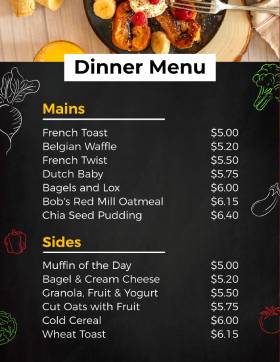
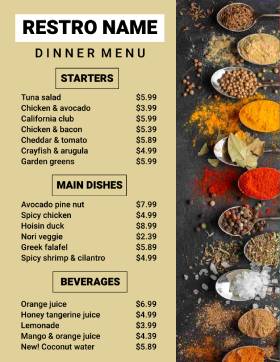
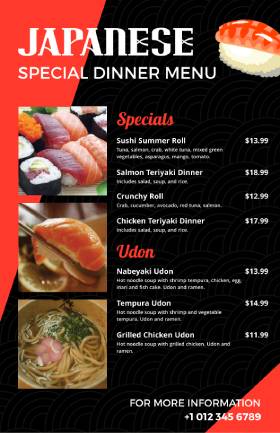



How to Design a Dinner Menu that Maximizes Orders?
Before thinking about dinner menu design ideas, keep in mind that crafting a menu that captures the spirit of your restaurant requires design skill and a lot of careful decision-making. Here are some steps that will help you create a dinner menu from scratch that makes customers drool over it.
Moreover, you can also apply these steps to the customizable dinner menu examples listed above.
1. Know Your Audience (and Occasion)
Before you even think about ingredients, consider:
- Who are you cooking for? Are they adventurous eaters, picky kids, or guests with dietary restrictions (vegetarian, vegan, gluten-free, allergies)? Tailor your menu to their preferences and needs.
- What’s the occasion? A casual backyard BBQ calls for a different menu than a formal anniversary dinner. The formality, theme, and overall vibe of the event should guide your choices.
- What’s your budget? Be realistic about what you can afford in terms of ingredients and time.
2. Organize the Menu Logically
Organizing your dinner menu in a logical order helps customers easily find what they’re looking for and enhances their overall dining experience. Start by grouping items based on the course of a meal—typically beginning with appetizers or starters, followed by soups or salads, main courses, sides, and finally desserts.
If you serve beverages or have a wine list, include those toward the end or on a separate section or page. Use clear headings and keep the layout neat, so customers can quickly scan the options. Logical structure not only improves readability but also subtly guides diners through the full dining journey, encouraging them to order more than just a main dish.
3. Limit the Choices
Offering too many menu items can overwhelm customers and make it harder for them to decide what to order. When people are faced with too many options, they may feel confused or rushed, which can lead to indecision or dissatisfaction. Limiting the choices to a focused selection—around 5 to 8 items per category—makes the menu easier to navigate and helps highlight your best or most profitable dishes. A smaller menu also improves kitchen efficiency, reduces food waste, and ensures better quality control.
4. Highlight Best-Selling and High-Profit Items
Use menu design tricks to draw attention to specific dishes:
- Boxed sections around specials
- Icons or symbols, like a star for “Chef’s Recommendation.”
- Bold fonts or colors for popular items
- Photos of best-sellers (but use them sparingly to avoid clutter)
These techniques guide the customer’s eyes and subtly suggest what to order.
5. Use Mouthwatering Descriptions
Writing mouthwatering menu descriptions plays a powerful role in making your dishes sound irresistible. Instead of just listing the name of a dish, add short, flavorful details that describe its taste, texture, and ingredients. For example, writing “Slow-roasted garlic chicken with creamy herb sauce” is far more tempting than simply “Roasted Chicken.” Use sensory words like “crispy,” “tender,” “juicy,” “melts in your mouth,” or “richly spiced” to paint a vivid picture in the customer’s mind.
These descriptions not only increase appetite but also help justify higher prices and make the dining experience feel special. Keep them short and honest—too much fluff can feel fake or overwhelming. A well-written description can turn a simple dish into the highlight of the evening.
6. Choose the Right Typography and Colors
Typography and color play a big role in how your dinner menu looks and feels. The right font makes your menu easy to read, while the right color scheme creates mood and matches your restaurant’s style.
For example, a fine dining menu might use elegant serif fonts and deep, rich colors like burgundy or navy, while a casual café might go for clean sans-serif fonts and lighter, warmer tones. Fonts should be large enough to read comfortably, especially in low lighting during dinner service. Colors should contrast well with the background to ensure clear visibility.
A well-chosen combination of typography and color for menu design can instantly make your menu look professional and inviting.
Tips:
- Use 1–2 easy-to-read fonts (avoid overly decorative or script fonts for body text).
- Choose larger font sizes for section headings and slightly smaller for item descriptions.
- Match colors with your brand identity and restaurant ambiance.
- Use dark text on a light background or vice versa for readability.
- Avoid using too many colors—stick to 2–3 main tones for a clean look.
7. Price Smartly
Smart pricing is about more than just setting numbers—it’s about influencing how customers perceive value. When designing your dinner menu, avoid placing currency symbols (like ₹ or $) directly next to the prices, as this can make guests more aware of spending. Instead, use a clean format such as “15” or place the price at the end of the line without drawing too much attention. Arrange items so that higher-priced dishes are surrounded by mid-range options, making them feel more reasonable—a strategy known as price anchoring.
The list doesn’t end here; we’ve also covered a detailed guide on how to make a dinner menu that leaves a lasting impression and increases order value.
Should I Use Samples or Design a Dinner Menu from Scratch?
When creating a dinner menu, one of the first decisions you’ll face is whether to use a ready-made template or design your menu from scratch. Both options have their pros and cons, and the right choice depends on your budget, time, design skills, and how unique you want your menu to be.
Using a Dinner Menu Sample
Samples are pre-designed layouts that you can customize by adding your own dishes, prices, and branding. They’re available in various formats like Lisi.menu, Microsoft Word, Adobe InDesign, or even online menu builders and tools.
Benefits of Using Samples:
- Time-Saving: Samples provide a quick and easy solution when you need a menu fast.
- Budget-Friendly: Many Samples are free or low-cost, making them ideal for small businesses or new restaurants.
- Professional Look: Well-designed Samples can give your menu a clean and polished appearance without hiring a designer.
- User-Friendly: Platforms like Canva offer drag-and-drop features, so even beginners can create attractive menus with ease.
Designing a Dinner Menu from Scratch
Creating a menu from scratch means building a unique layout that reflects your brand’s personality, theme, and customer experience. You can use graphic design tools or hire a professional designer to make it.
Benefits of Designing from Scratch:
- Fully Customizable: Every element—layout, fonts, colors, spacing—is tailored to your brand.
- Unique Branding: It helps you stand out and gives your restaurant a one-of-a-kind identity.
- Flexible Layouts: You can design your menu exactly how you want, no compromises.
- Scalable Design: You can create versions for dine-in, takeout, seasonal updates, or special events.
Start with a sample and gradually move to a custom design as your brand grows. You can also tweak a Sample to fit your style, giving you a balance between convenience and uniqueness.
What are the Types of Dinner Menus for Every Occasion?
Different situations call for different menu approaches. Consequently, understanding various menu types and styles helps you choose the right strategy for your needs.
Weekly Family Dinner Menu:
A weekly family dinner menu provides structure while maintaining flexibility. Similarly, it allows you to plan grocery shopping more efficiently and reduces daily decision fatigue.
Sample Weekly Menu Structure:
- Monday: Quick weeknight pasta or stir-fry
- Tuesday: Slow cooker or one-pot meal
- Wednesday: Grilled protein with roasted vegetables
- Thursday: Leftover makeover or soup and sandwich
- Friday: Pizza night or takeout
- Saturday: Weekend cooking project or family favorite
- Sunday: Meal prep for the upcoming week
Special Occasion Dinner Menu:
Special occasions require more elaborate planning. Therefore, focus on creating memorable dishes that impress your guests while staying within your cooking abilities.
Elements of Special Occasion Menus:
- Elegant appetizers or small bites
- Show-stopping main course
- Complementary side dishes
- Decadent dessert
- Wine or beverage pairings
Healthy Dinner Menu Options:
Health-conscious dinner menus prioritize nutritious ingredients without sacrificing flavor. Additionally, they help you maintain consistent healthy eating habits throughout the week.
Healthy Menu Principles:
- Lean proteins (chicken breast, fish, legumes, tofu)
- Plenty of colorful vegetables
- Whole grains instead of refined carbs
- Healthy cooking methods (grilling, roasting, steaming)
- Portion control awareness
As a restaurant owner, if you’re running a three-course meal program to get more orders. We’ve also provided tips and design ideas for the breakfast menu that you must check out.
What Are Some Popular Dinner Menu Themes and Ideas?
International Cuisine Themes
Exploring different cuisines provides endless dinner menu inspiration. Therefore, consider these popular international themes:
Italian-Inspired Dinner Menu:
- Antipasto platter with cured meats and cheeses
- Fresh pasta with seasonal vegetables
- Grilled proteins with herbs and olive oil
- Tiramisu or gelato for dessert
Mexican Fiesta Menu:
- Fresh guacamole and salsa with tortilla chips
- Tacos with multiple protein and topping options
- Mexican rice and refried beans
- Flan or churros for sweet endings
Asian Fusion Dinner:
- Dim sum or spring rolls as appetizers
- Stir-fried vegetables with ginger and garlic
- Rice or noodle-based main courses
- Fresh fruit or mochi ice cream for dessert
Seasonal Celebration Menus
Furthermore, ideas for seasonal and festival menus to create special dining experiences:
Thanksgiving-Style Comfort Menu:
- Roasted turkey or plant-based alternatives
- Traditional sides with modern twists
- Seasonal vegetables and fresh cranberry sauce
- Pumpkin or apple-based desserts
Summer BBQ Menu:
- Grilled proteins with flavorful marinades
- Fresh corn on the cob and grilled vegetables
- Cold salads and refreshing sides
- Ice cream or fruit-based desserts
How Do You Include Different Dietary Needs in Dinner Menu Design?
Understanding Common Dietary Restrictions
Today’s dinner menu planning often involves accommodating various dietary needs. Therefore, understanding common restrictions helps you create inclusive menus:
Vegetarian and Vegan Options:
- Plant-based proteins that satisfy even meat-eaters
- Rich, flavorful sauces using vegetables and herbs
- Creative preparations that highlight vegetables as stars
- Dairy-free alternatives that don’t compromise taste
Gluten-Free Considerations:
- Naturally gluten-free grains like rice and quinoa
- Vegetable-based sides instead of wheat products
- Careful attention to sauces and seasonings
- Alternative flours for desserts and breading
Food Allergy Awareness:
- Clear labeling of potential allergens
- Alternative preparations for common allergens
- Careful cross-contamination prevention
- Communication with guests about ingredients
Creating Flexible Menu Options:
Additionally, design your dinner menu with flexibility in mind. For instance:
- Serve sauces and dressings on the side
- Offer protein options that can be prepared multiple ways
- Include naturally inclusive dishes that work for most dietary needs
- Prepare simple alternatives for those with specific restrictions
What are the Common Dinner Menu Design Mistakes?
Avoiding common design mistakes prevents customer confusion and lost sales opportunities. Moreover, learning from others’ errors helps create more effective menus while avoiding costly redesign projects.
Information Overload Problems:
Many restaurants cram too much information onto their dinner menus, overwhelming customers and hindering decision-making. Therefore, strategic information editing improves menu effectiveness significantly.
Information Overload Solutions:
- Limit menu items to manageable quantities per section
- Use concise descriptions that highlight key selling points
- Avoid excessive nutritional information unless required
- Eliminate redundant or obvious information
- Focus on unique and compelling item characteristics
Poor Typography Choices:
Typography mistakes can make even well-designed menus difficult to read and navigate. Additionally, poor font choices can negatively impact perceived food quality and restaurant professionalism.
Typography Error Prevention:
- Avoid overly decorative fonts that sacrifice readability
- Ensure sufficient contrast between text and background colors
- Use consistent font sizes for similar information types
- Limit the number of different fonts used throughout the menu
- Test readability under actual restaurant lighting conditions
Pricing Presentation Errors:
Improper pricing presentation can create negative customer reactions or confusion. Furthermore, strategic pricing display helps customers feel comfortable with their spending decisions.
Pricing Best Practices:
- Maintain a consistent pricing format throughout the menu
- Avoid highlighting prices excessively with large fonts or colors
- Use decimal alignment for a professional appearance
- Consider removing dollar signs to reduce price focus
- Group similarly priced items to create a value perception
How to Measure Dinner Menu Design Success?
Tracking menu performance helps identify successful design elements and areas needing improvement. Moreover, regular analysis enables continuous optimization of your dinner menu design effectiveness.
Key Performance Indicators
Establishing relevant KPIs helps measure menu design success objectively. Additionally, tracking these metrics over time reveals trends and opportunities for further optimization.
Essential Menu KPIs:
- Average order value and total revenue per customer
- Item popularity rankings and sales distribution
- Customer ordering time and decision-making patterns
- Return visit frequency and customer satisfaction scores
- Profitability per menu section and individual items
Customer Feedback Integration
Customer feedback provides valuable insights into menu design effectiveness and usability. Therefore, implementing feedback collection systems helps identify improvement opportunities from the user perspective.
Feedback Collection Methods:
- Direct customer surveys about menu usability and appeal
- Online review analysis for menu-related comments
- Staff observations about customer menu interaction patterns
- Social media monitoring for menu-related discussions
- Focus groups for major menu redesign projects
A/B Testing for Menu Elements
Systematic testing of menu design elements reveals what works best for your specific customer base. Furthermore, A/B testing provides objective data to guide design decisions rather than relying on assumptions.
Testing Opportunities:
- Different layout arrangements for high-profit items
- Various color schemes and visual design approaches
- Alternative pricing presentation formats
- Different description lengths and writing styles
- Various photography and graphic design elements
What are the Future Trends in Dinner Menu Design?
Staying current with menu design ideas and trends for restaurants remains competitive and appealing to evolving customer preferences. Moreover, understanding emerging trends enables proactive adaptation rather than reactive changes.
1. Sustainability and Eco-Friendly Design
Environmental consciousness increasingly influences customer dining decisions. Therefore, incorporating sustainable design elements appeals to environmentally aware customers while demonstrating corporate responsibility.
Sustainable Design Approaches:
- Use recycled or sustainable paper materials for physical menus
- Design digital-first menus to reduce paper consumption
- Highlight locally sourced and sustainable ingredients prominently
- Create plant-based sections with an appealing design treatment
- Partner with eco-friendly printing services for physical menu production
To make it clear for you, here’s everything you need to know about digital and printed menus with proper specifications, benefits, and more.
2. Personalization and Customization
Technology enables increasingly personalized menu experiences tailored to individual preferences. Additionally, customization capabilities can increase customer satisfaction and order values significantly.
Personalization Possibilities:
- Dietary preference filtering and customized recommendations
- Previous order history integration for quick reordering
- Loyalty program integration with personalized offers
- Language options for diverse customer bases
- Accessibility features for customers with special needs
3. Health and Wellness Integration
Growing health consciousness among diners drives demand for transparent nutritional information and healthy options. Furthermore, strategic presentation of health-focused items can attract health-conscious customer segments.
Health-Focused Design Elements:
- Clear nutritional information presentation without overwhelming design
- Dedicated healthy options sections with appealing visual treatment
- Ingredient sourcing information for quality-conscious customers
- Allergen information integration with clear visual indicators
- Calorie-conscious options highlighted through strategic design placement
Frequently Asked Questions
1. What is a dinner menu design?
A dinner menu design is the visual layout and structure used to present food options for dinner in a restaurant, café, or event. It includes categories like appetizers, main courses, desserts, and drinks, using colors, fonts, spacing, and formatting to create a clean, attractive, and easy-to-read menu.
2. How many items should I include in a dinner menu?
It’s best to keep your dinner menu focused by including around 5 to 8 items per category, such as appetizers, main courses, and desserts. Offering too many options can overwhelm customers and make decision-making harder, leading to slower service and potential frustration. A limited selection not only makes the menu easier to read and navigate but also helps you showcase your best dishes and maintain consistent food quality.
3. What are the main sections of a dinner menu?
A well-organized dinner menu is usually divided into clear sections that guide the customer through the meal experience from start to finish. The main sections typically include:
- Appetizers or Starters – These are small dishes meant to open the meal, such as soups, salads, or light bites.
- Main Courses – This is the core of the menu, featuring larger, filling dishes like pasta, grilled meats, seafood, or vegetarian entrées.
- Side Dishes – Optional add-ons that complement main meals, such as mashed potatoes, steamed vegetables, or rice.
- Desserts – Sweet treats served at the end of the meal, like cakes, ice cream, or pastries.
- Beverages – This section may include soft drinks, coffee, tea, wine, or cocktails, depending on the style of the restaurant.
4. Can I use Samples to design a dinner menu?
Yes, using dinner menu samples is a great way to save time and ensure professional quality. You can find free or paid samples online for platforms like Lisi.menu, Adobe, Word, or other online menu builders. Customize them with your dishes and branding.
5. How do I design a dinner menu for both dine-in and takeout?
Create a layout that works well for both settings. Use clear sections, shorter descriptions, and symbols for takeout-friendly items. If you print, use durable paper or laminates. For online menus, ensure they’re mobile-friendly and easy to read.
6. Is it okay to use one-page dinner menus?
Yes, one-page menus are popular and effective. They are easy to scan and reduce printing costs. Just make sure there’s enough spacing, and don’t cram too many items—prioritize your best sellers and top-value dishes.
Conclusion
Effective dinner menu design ideas combine psychology, marketing, and aesthetics to create powerful business tools. Moreover, restaurants that invest in strategic menu design see measurable improvements in customer satisfaction, average order values, and overall profitability.
Remember that successful menu design is an ongoing process requiring regular evaluation and optimization. Therefore, stay connected with customer preferences, industry trends, and performance metrics to maintain competitive advantages.
Most importantly, your dinner menu design should authentically represent your restaurant’s identity while serving your customers’ needs effectively. Additionally, the best menus create memorable experiences that encourage repeat visits and positive word-of-mouth recommendations.